
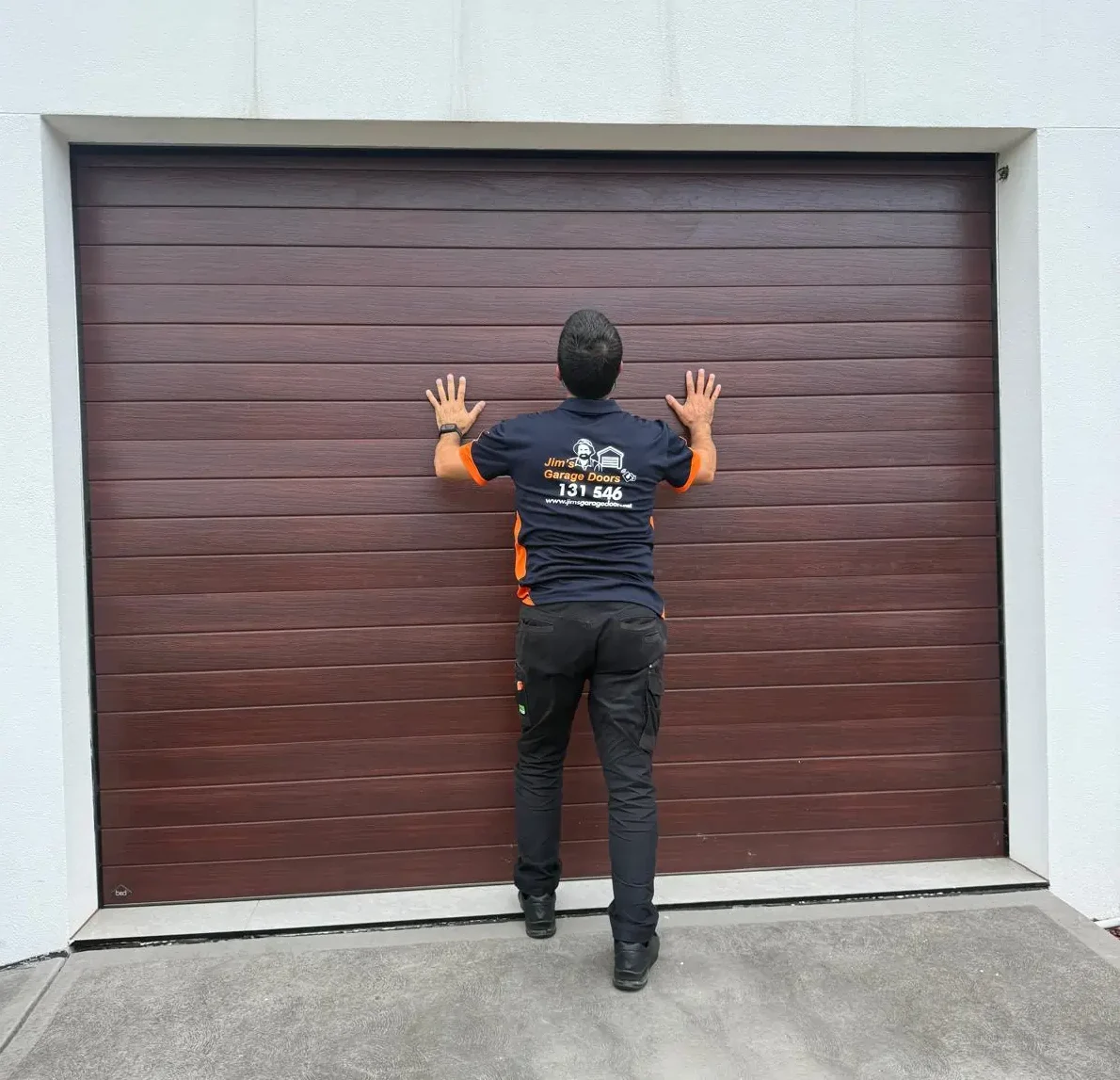
A noisy garage door is often an early warning sign that something needs attention. Squeaking, grinding, rattling or banging sounds can point to wear, loose components, poor lubrication or a garage door that is no longer moving correctly.
Some minor noises may improve with routine maintenance. Loud, sudden or worsening noises should be inspected before continued use creates additional wear or a more serious garage door problem.
The type of sound can help narrow down which part of the garage door needs attention. The noise alone cannot confirm the fault, but it can provide a useful starting point for inspection.
| Garage Door Sound | Possible Cause | What to Do |
|---|---|---|
| Rattling | Loose nuts, bolts, hinges or other door hardware | Inspect the door and moving hardware |
| Squeaking | Dry rollers, hinges or other moving components | Maintenance may be required |
| Grinding | Worn rollers or components moving under increased friction | Arrange an inspection |
| Scraping | Track contamination, alignment problems or incorrect door movement | Have the movement checked |
| Banging or Sudden Loud Noise | A component may be moving incorrectly or under abnormal strain | Stop and arrange professional inspection |
| Motor Straining | The door may be difficult to move or incorrectly balanced | Inspect the door and opener system |
Garage doors contain several moving and load-bearing components. Noise can develop when those parts become loose, dry, worn, dirty or begin operating under additional strain.
Repeated garage door movement can leave hardware needing attention. Loose components can vibrate as the door travels, producing rattling or knocking sounds.
Rollers and other moving components may become noisier when they are dry or no longer moving smoothly. The result can be squeaking or increased friction during operation.
Rollers help guide the garage door as it opens and closes. Worn rollers can produce grinding, vibration or rough movement as they travel.
Garage door springs and cables form part of the system responsible for controlling the door’s weight and movement. Unusual noises around these components require professional attention.
A door that is not moving with the correct balance can place additional load on other components and the automatic opener, potentially producing excessive operating noise.
Dirt and debris can interfere with smooth movement through the garage door tracks. This may contribute to scraping, vibration or rough operation.
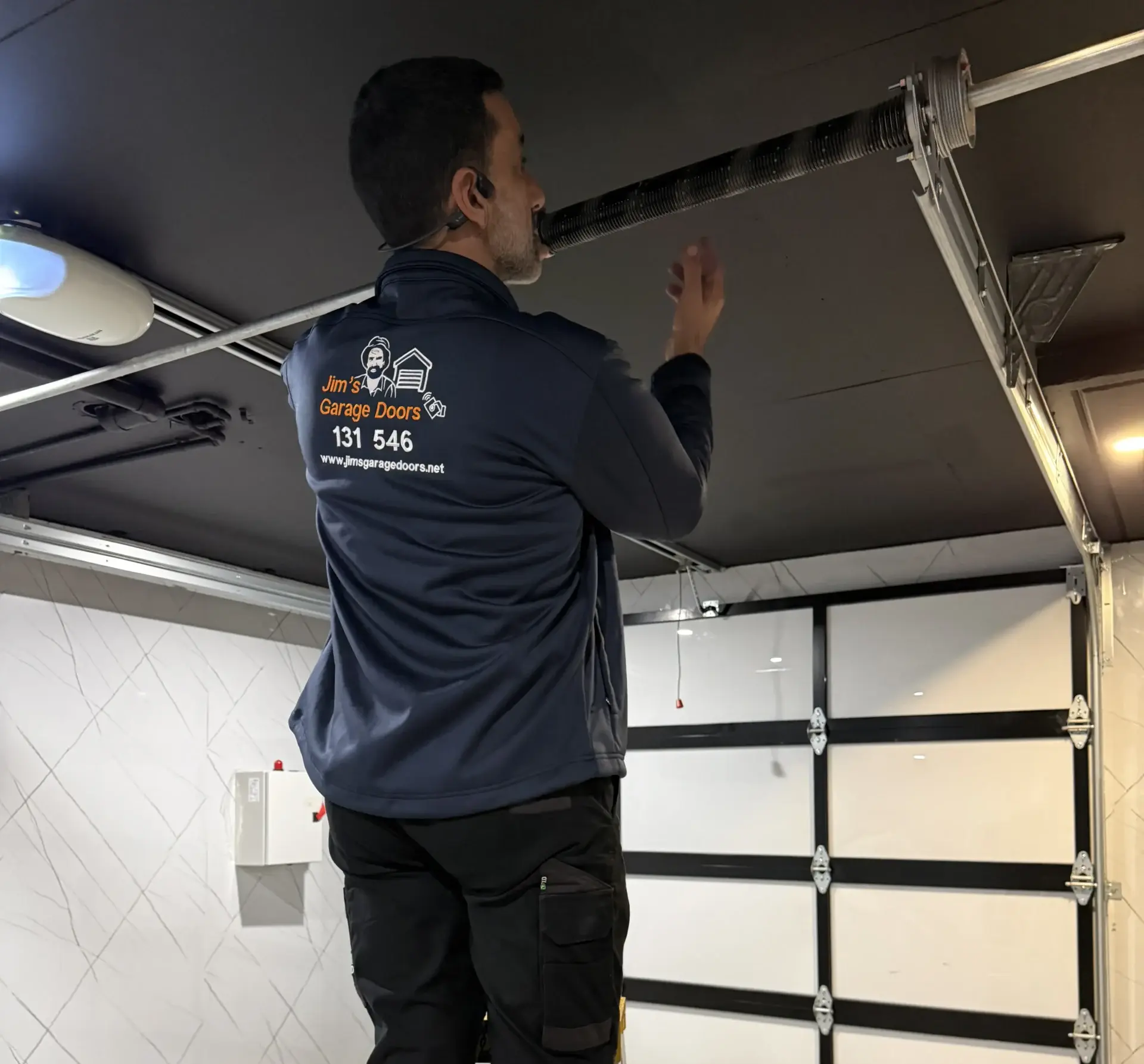
A proper inspection considers both the sound and how the garage door is moving. A grinding noise, for example, needs to be considered alongside roller condition, track movement and the load being placed on the door system.
This is important because simply making the sound quieter does not necessarily correct the cause of the noise.
Rollers and hinges
Nuts and bolts
Garage door tracks
Door balance
Springs and cables
Motor and opener operation
Lubrication may help when the noise is caused by dry moving components, but it will not correct every noisy garage door. Grinding, banging, poor balance or noise caused by worn or damaged components requires the underlying fault to be addressed.
Silencing the noise is not always the same as fixing the problem.
If a worn roller, balance problem or strained component is creating the noise, lubrication alone may temporarily change the sound without correcting the underlying cause.
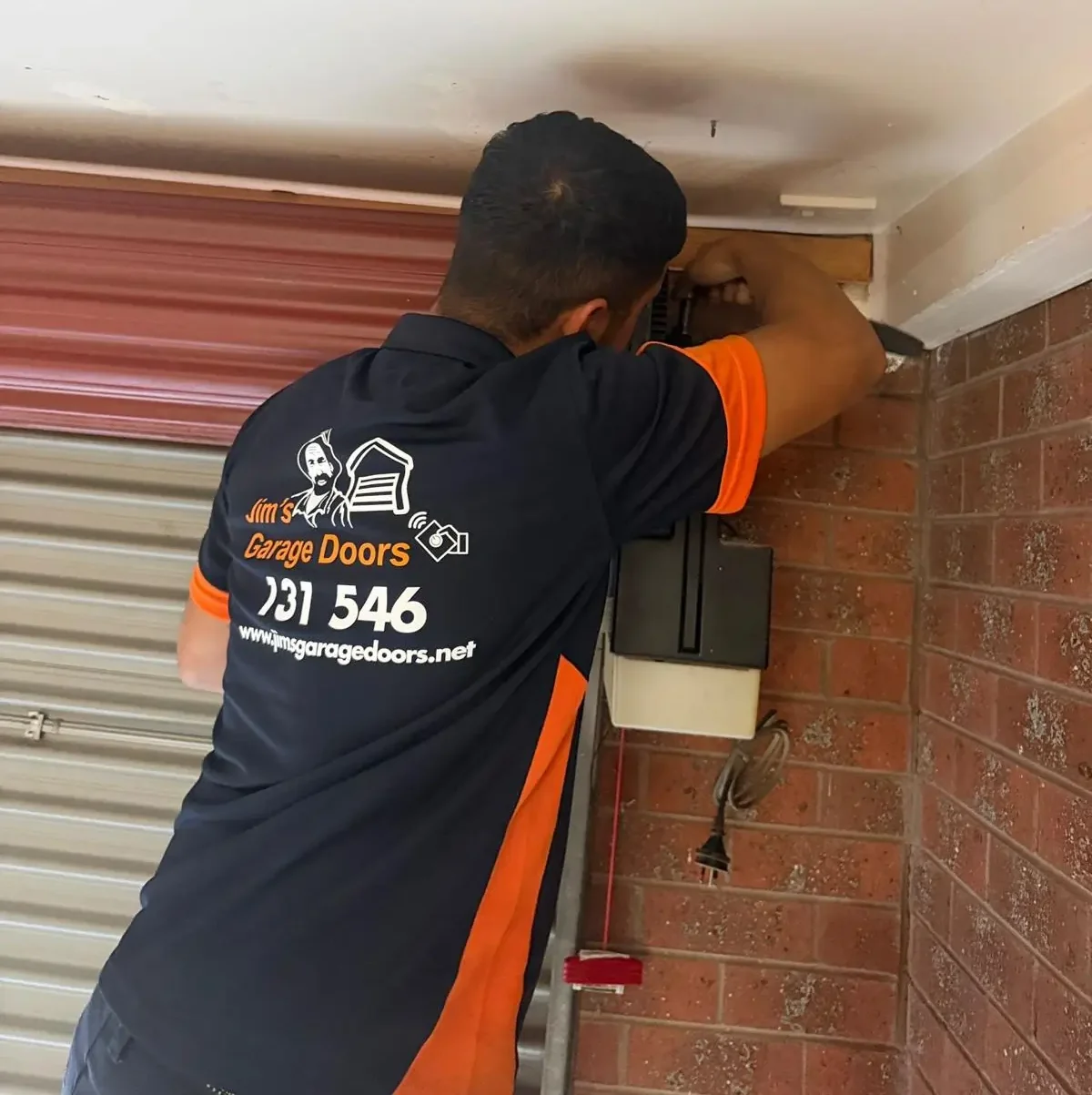
A garage door that is not correctly balanced can place additional pressure on the operating system. Instead of the door moving smoothly, the opener and other components may have to work harder during opening and closing.
If the garage door has become noisy at the same time as it has become difficult to move, uneven or noticeably different in operation, the noise should be treated as part of the wider door problem rather than as an isolated sound.
A new, loud or rapidly worsening noise should not be treated as normal garage door operation. It can indicate that a moving component is wearing, the door is operating incorrectly or part of the system is under increased strain.
A sudden change in sound deserves attention, particularly when the door also behaves differently afterwards.
Noise accompanied by shaking, vibration or uneven movement suggests the problem involves more than normal operating sound.
If the automatic opener sounds unusually strained while the door moves, the complete door and opener system should be assessed.
Have the source of the noise inspected before continuing regular operation.
Regular servicing can help keep a garage door operating smoothly and identify developing wear before it becomes a larger problem. It provides an opportunity to inspect moving components, door operation and areas that may require maintenance or repair.
A service can assess the condition and movement of the garage door rather than treating noise as an isolated symptom.
Roller movement
Hinges and hardware
Track condition
Door movement
Spring and cable condition
Automatic opener operation
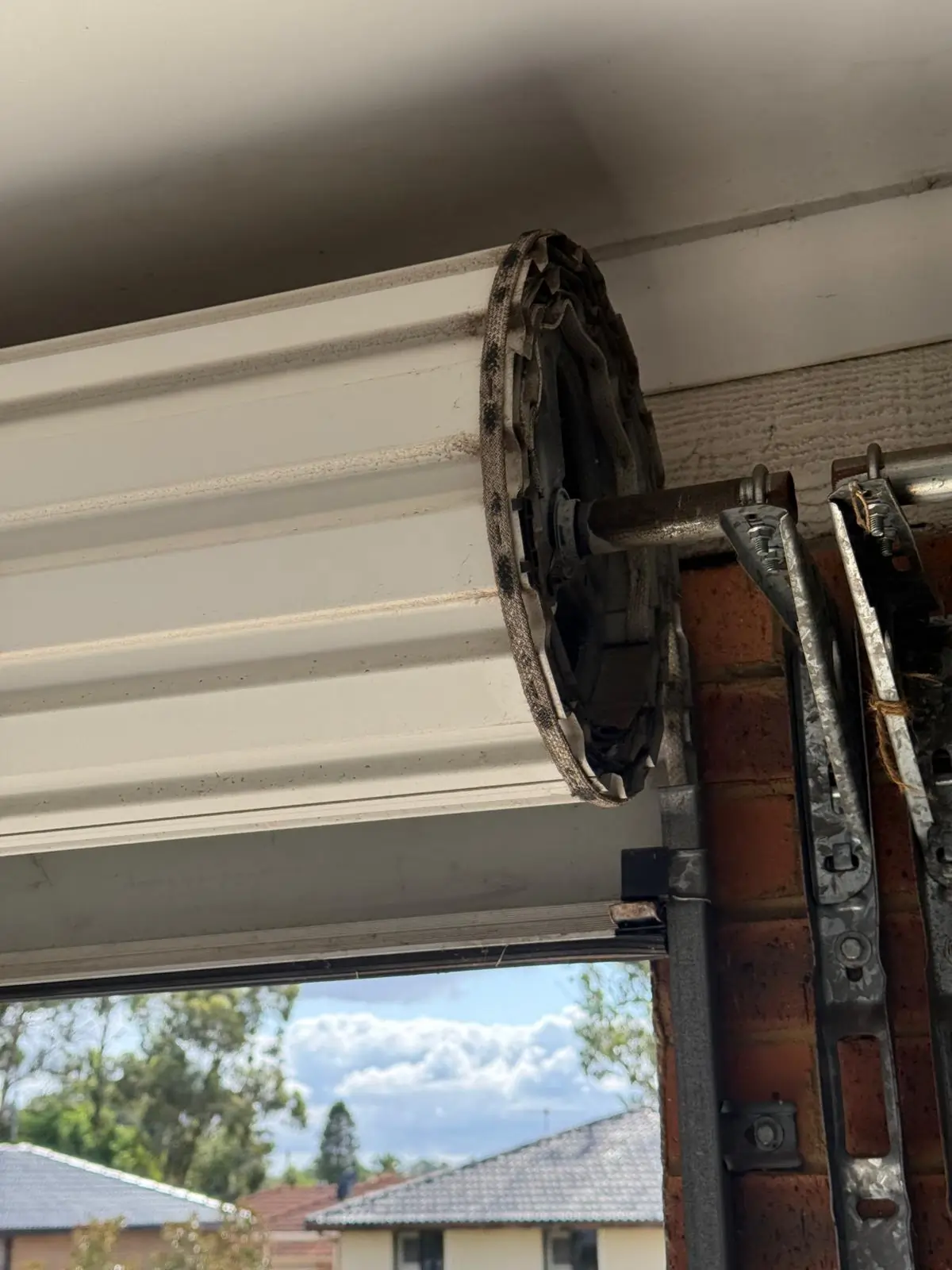
Noisy operation can be connected to different garage door components. Jim’s Garage Doors provides repair support across a range of common door and opener problems.
Inspection and repair of misaligned or bent tracks and worn garage door rollers.
Garage door motor diagnosis, repair or replacement where the automatic operating system requires attention.
Garage door torsion spring and cable replacement where these components are worn or damaged.
Repairs for sectional doors, panel doors and damaged garage door panels.
Repairs for roller doors and tilt doors experiencing operating problems.
Garage door remote replacement and automatic garage door system support.
Grinding, rattling, squeaking or banging can indicate a garage door component that needs maintenance, adjustment or repair. Have the problem inspected before additional wear develops.
Common questions about garage door noise, lubrication, maintenance and professional inspection.
A sudden increase in garage door noise can occur when hardware becomes loose, rollers or moving parts wear, debris interferes with movement or another part of the door begins operating under increased strain. A sudden loud or unusual noise should be inspected rather than ignored.
Grinding can be associated with worn rollers, increased friction or another component that is no longer moving smoothly. The door should be inspected to determine exactly where the grinding is coming from.
Rattling can be caused by loose nuts, bolts, hinges or other hardware vibrating as the garage door moves. An inspection can determine which components require attention.
Lubrication may reduce noise caused by dry moving components, but it will not repair worn rollers, damaged components, balance problems or other mechanical faults. If the noise is loud, sudden or persistent, the cause should be inspected.
Yes. If the garage door is not moving correctly, the opener may have to work harder to operate it. Noise from the opener should therefore be considered together with the movement and condition of the door.
Loud, sudden or worsening garage door noises should not be ignored. Continuing to operate a door with a developing fault can place additional strain on components, so professional inspection is the safer approach.
Regular servicing can help identify dry, loose or worn components and other operating problems that may contribute to excessive noise. It also provides an opportunity to identify developing issues before they become larger repairs.
Enter your postcode to check local technician availability. We service and repair all garage door brands.