
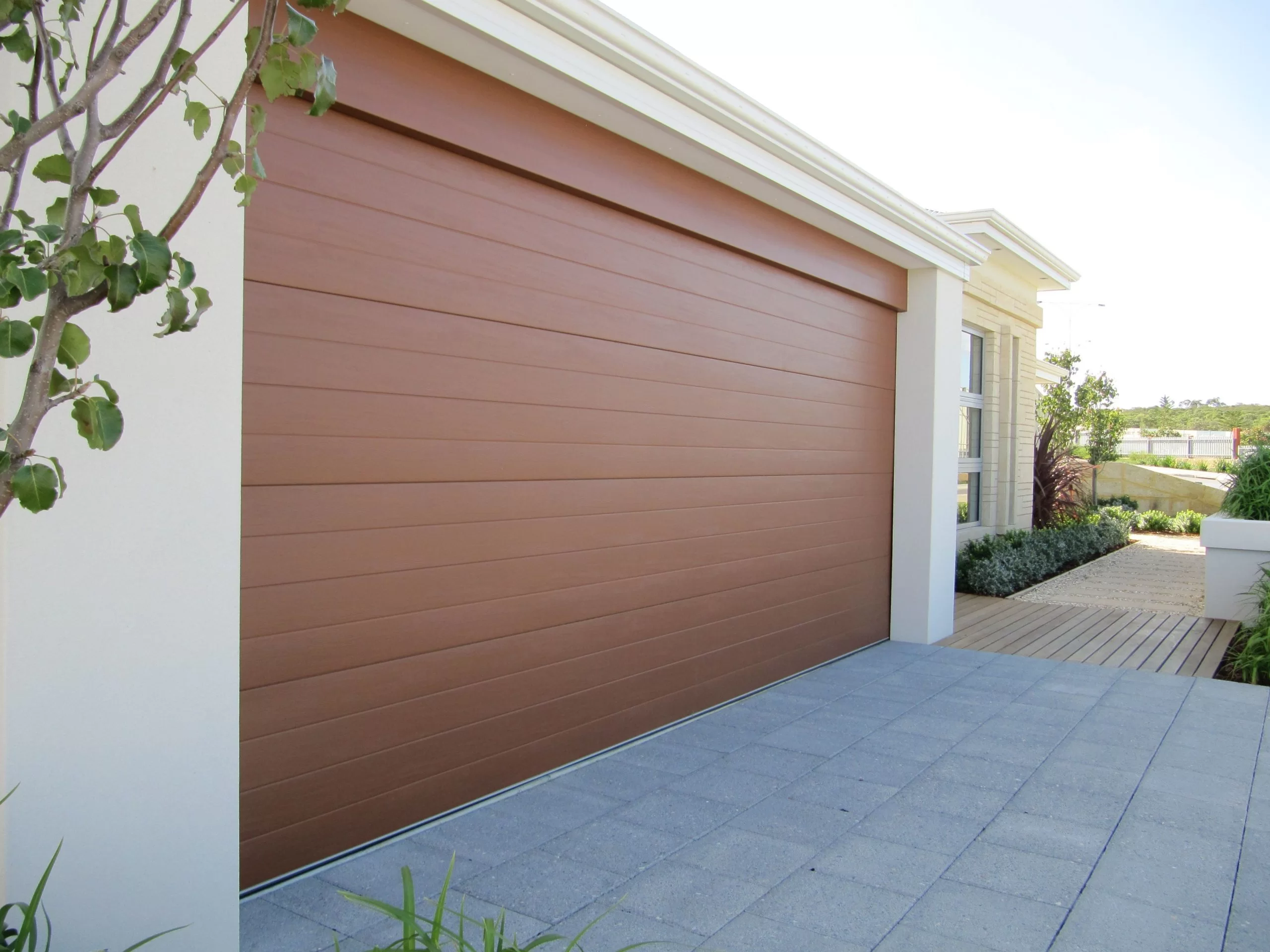
Residential Garage Doors
Jim’s Garage Doors supplies, installs, services and repairs residential garage doors for Australian homes. Homeowners can choose from roller doors, sectional garage doors, tilt doors and automatic garage door systems to suit different garage openings, property styles and everyday access requirements.
The right residential garage door depends on factors such as available space, garage opening dimensions, driveway clearance, appearance, security and automation requirements. Jim’s Garage Doors can assess your garage and help determine a practical door solution for your home.
Quick Links
What Types of Residential Garage Doors Are Available?
Residential garages can use roller doors, sectional doors or tilt doors depending on the opening, available space and design of the home. Each door type moves differently and places different requirements on the garage structure.
Roller Garage Doors
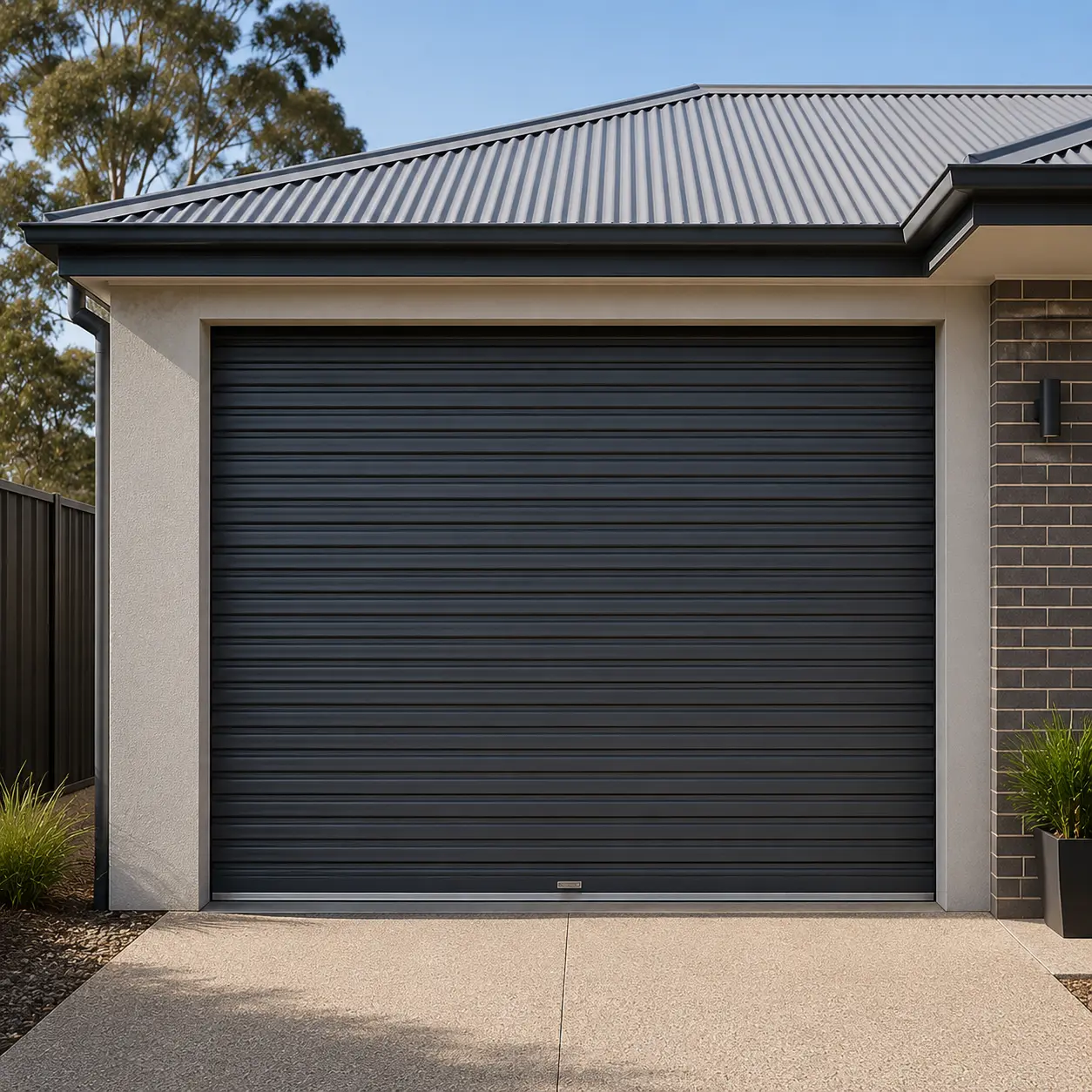
Roller doors use a flexible curtain that travels vertically and rolls around a drum above the garage opening. They are a practical choice where ceiling space needs to remain relatively clear.
Sectional Garage Doors
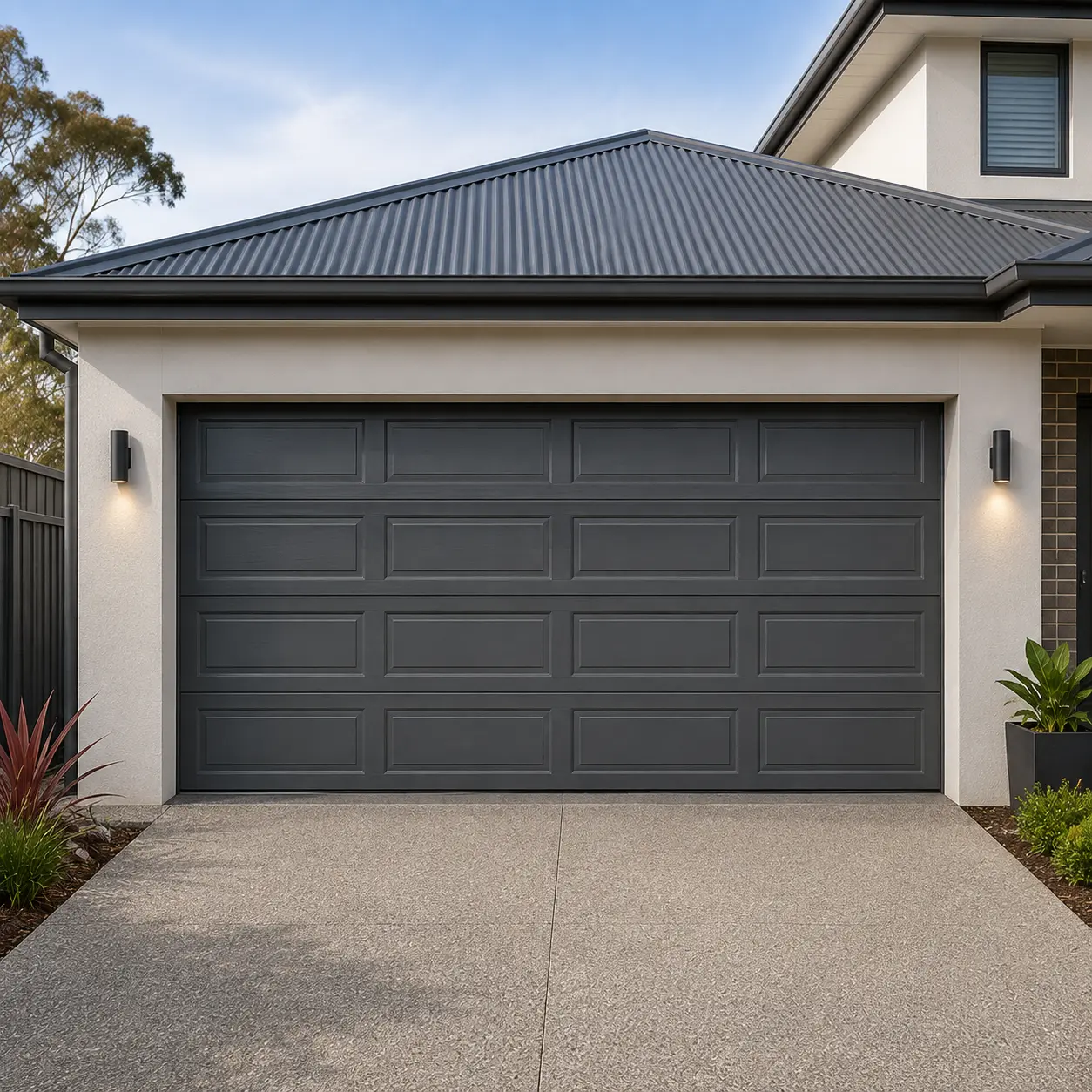
Sectional garage doors use hinged horizontal panels that move vertically before travelling along tracks beneath the garage ceiling. They suit many modern homes and offer a broad range of design possibilities.
Tilt Garage Doors
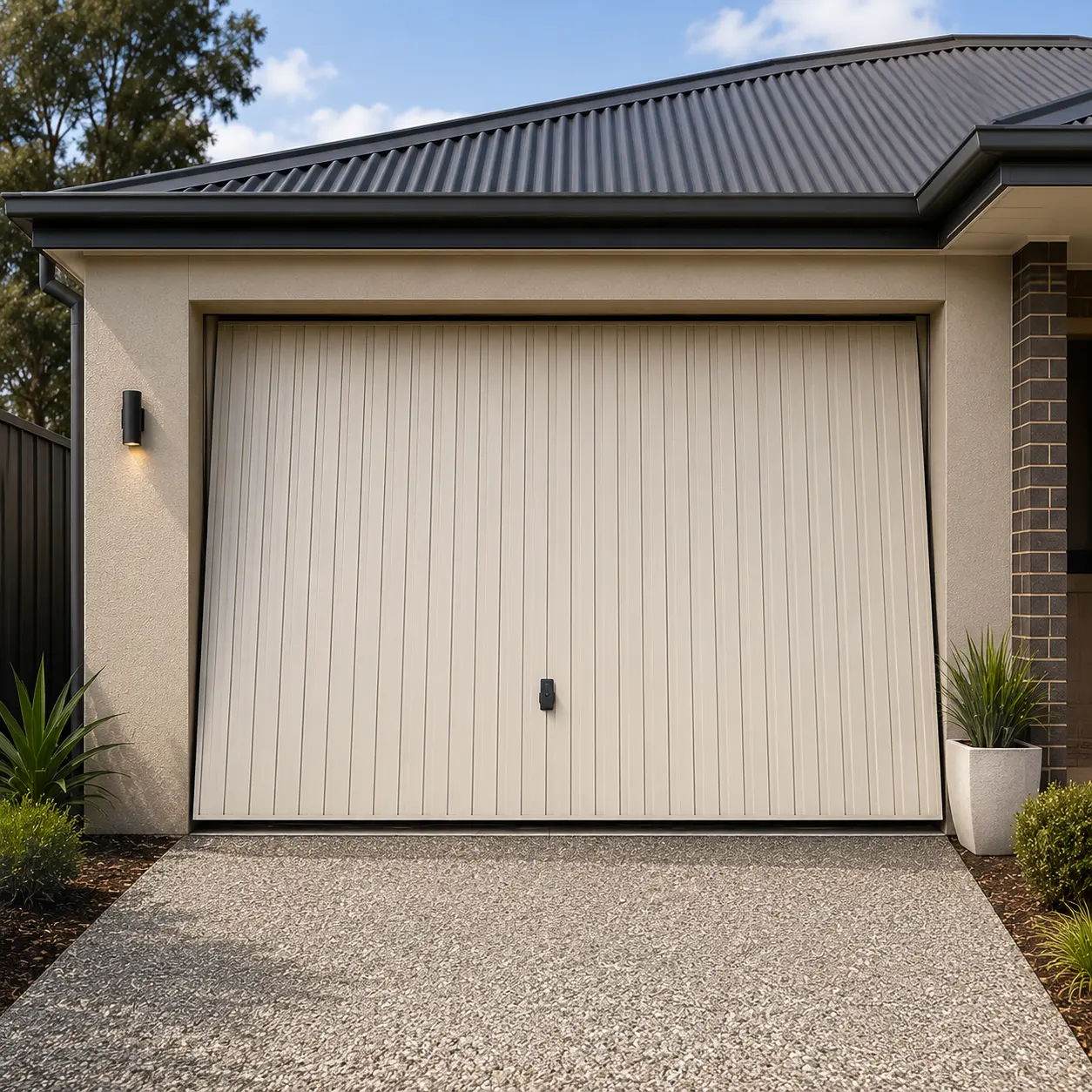
Tilt doors use a single door panel that pivots outward and upward. They can suit garages where a one-piece door appearance is preferred or where the opening requires a customised solution.
Which Residential Garage Door Is Right for Your Home?
The best garage door is determined by the garage opening and how the homeowner needs the door to operate. Appearance is important, but clearance, available headroom, daily usage and automation compatibility should also be considered before selecting a door.
Garage Opening
The width, height and construction of the opening influence which garage door systems can be installed and whether additional framing or preparation may be required.
Headroom and Clearance
Sectional and tilt doors require different amounts of internal ceiling or driveway clearance, while roller doors require space above the opening for the rolled curtain.
Home Design
The panel style, profile, finish and colour of a garage door can significantly affect the front elevation of a home because the garage opening often occupies a large visual area.
Automation
If automatic operation is required, the door and opener need to work as a compatible system with sufficient lifting capacity and correctly balanced door hardware.
Security
A properly fitted garage door contributes to home security by creating a controlled barrier between the garage and the exterior of the property.
Daily Use
A garage used as the main household entry may benefit more from automatic operation and convenient remote access than a garage opened only occasionally.
How Do Roller, Sectional and Tilt Garage Doors Compare?
The movement of the door is one of the most important differences between residential garage door types because it determines how much internal and external clearance is required.
| Door Type | How It Opens | Space Requirement | Common Residential Use |
|---|---|---|---|
| Roller Door | Curtain rises vertically and rolls above the opening | Requires space above the garage opening | Practical residential garages and space-conscious installations |
| Sectional Door | Hinged panels rise and travel beneath the ceiling | Requires internal tracks and ceiling clearance | Modern homes, single and double garages |
| Tilt Door | Single panel pivots outward and upward | Requires appropriate external and internal clearance | Custom openings and homes suited to a one-piece panel |
When Is a Roller Garage Door a Good Choice?
A roller garage door can be a practical option when homeowners want vertical operation without tracks extending across a large section of the garage ceiling. The door curtain travels through guides on each side of the opening before rolling onto a drum above it.
Roller doors are commonly used for residential garages and can be configured for manual or automatic operation. The available room above the opening must be assessed because the rolled curtain and associated hardware need sufficient space.
Homeowners considering this door type can learn more about residential roller doors or request an assessment from Jim’s Garage Doors.
Why Choose a Sectional Garage Door?
Sectional garage doors are suited to homeowners who want a vertically opening door with multiple connected panels and a broad choice of external styles. The panels follow tracks upward and then travel horizontally beneath the garage ceiling.
Rather than using one large rigid panel, a sectional door is divided into hinged sections that articulate as the door passes through the curved track. Different panel profiles and finishes allow the door to complement both traditional and contemporary homes.
Sectional doors can also be paired with a compatible automatic garage door opener when the door is correctly installed, balanced and matched to the appropriate motor.
Depending on the door construction, model and extent of the damage, a damaged sectional panel may sometimes be assessed for individual garage door panel repair or replacement.
When Does a Tilt Garage Door Make Sense?
A tilt garage door can suit a residential opening where a single-panel door is appropriate and enough movement clearance is available. Unlike sectional doors, the entire panel moves as one piece as it pivots upward.
The one-piece construction creates a continuous appearance across the garage opening. Because the panel projects outward during operation, driveway clearance and the surrounding area need to be considered when determining whether a tilt door is suitable.
The garage opening, framing, available headroom and operating area should therefore be assessed before selecting a tilt-door system.

The door, springs and opener must operate as one correctly balanced system.
Can Residential Garage Doors Be Automated?
Many residential roller, sectional and tilt garage doors can use an automatic opener when the door system is suitable and correctly balanced. The correct motor depends on the door type, dimensions, weight, travel configuration and frequency of use.
An opener should not be expected to compensate for a mechanically difficult door. Springs and other lifting components support the door weight, while the motor controls movement. If the door is excessively heavy or resistant, the underlying mechanical system should be assessed.
Automatic Garage Door Considerations
Door size and weight
Door balance
Motor compatibility
Remote access
Safety operation
See our garage door openers page for more information about residential garage door automation.
When Should a Residential Garage Door Be Replaced?
Replacement may make more sense when an existing garage door has extensive structural damage, unsuitable hardware or no longer meets the homeowner’s functional requirements. Localised faults may instead be repairable without replacing the complete door.
Repair May Be Suitable When
- Damage is limited to a repairable component
- A sectional panel can be replaced individually
- The track or hardware can be realigned or repaired
- The opener has a repairable fault
- The overall door remains structurally suitable
Replacement May Be Considered When
- The door has extensive structural damage
- Multiple sections or components have deteriorated
- The existing system no longer suits the garage
- A different door type or design is required
- The homeowner is substantially upgrading the garage entrance
A Jim’s Garage Doors technician can inspect an existing door and determine whether garage door repair is practical or whether replacement should be considered.
What Happens During Residential Garage Door Installation?
Garage door installation begins with assessing and measuring the opening before the appropriate door and operating hardware are fitted. Correct installation is important because tracks, lifting components, door balance and an automatic opener all depend on accurate alignment.
What Happens After Your Garage Door Is Installed?
Residential garage doors remain mechanical systems that need inspection, servicing and occasional repair as components wear. Springs, cables, rollers, tracks, hinges, brackets and automatic openers all contribute to safe and consistent door movement.
Garage Door Servicing
Preventative servicing checks the door, lifting system, moving hardware and opener for wear, poor balance and developing faults.
Garage Door Repairs
Broken springs, cables, rollers, tracks, hinges and opener faults can affect how safely and reliably a residential garage door operates.
Garage Door Maintenance
Ongoing inspection and maintenance can identify changing door behaviour and worn components before they develop into larger mechanical problems.
Why Choose Jim’s Garage Doors for Your Residential Garage Door?
Jim’s Garage Doors can help homeowners through the complete garage door lifecycle, from selecting and installing a new residential door to automation, servicing and repairs.
Residential Garage Door Solutions
Door Assessment & Installation
Garage Door Automation
Servicing & Repairs
Call Jim’s on 131 546
What Customers Say About Jim’s Garage Doors


Residential Garage Doors FAQs
Common questions homeowners ask when choosing, replacing or maintaining a residential garage door.
What type of garage door is best for a residential home?
There is no single door type that is best for every home. Roller, sectional and tilt garage doors operate differently and require different amounts of space. The correct choice depends on the garage opening, headroom, driveway clearance, desired appearance and whether automatic operation is required.
Should I choose a roller door or sectional garage door?
A roller door travels vertically and rolls above the opening, while a sectional door uses hinged panels that travel along tracks beneath the ceiling. Roller doors can suit garages where keeping more of the ceiling clear is useful, while sectional doors provide a different range of panel designs and opening characteristics. The garage dimensions should be assessed before deciding.
Can a residential garage door be automated?
Many roller, sectional and tilt garage doors can use an automatic opener when the door and motor are compatible. The door should first be correctly balanced and mechanically sound because the opener is designed to move the door rather than compensate for excessive weight or mechanical resistance. See our garage door openers page for more information.
Can one damaged section of a garage door be replaced?
Depending on the door model, construction and extent of the damage, a sectional garage door panel may sometimes be repaired or replaced without replacing the complete door. A technician should inspect the door to determine whether individual garage panel repair is practical.
When should I replace my residential garage door?
Replacement may be considered when the door has extensive structural damage, widespread deterioration or no longer suits the garage or homeowner’s requirements. Localised faults involving springs, cables, tracks, panels or an opener may instead be repairable. An inspection can determine which option is appropriate.
Do residential garage doors need regular servicing?
Garage doors contain moving and load-bearing components that wear through normal use. Periodic garage door servicing can inspect springs, cables, rollers, tracks, hinges, balance and automatic opener operation for developing faults.
How do I get a quote for a new residential garage door?
Call Jim’s Garage Doors on 131 546 or request a quote online. The garage opening and requirements can then be assessed to determine the appropriate residential garage door solution.
Need a Residential Garage Door?
Talk to Jim’s Garage Doors about a roller, sectional, tilt or automatic garage door for your home. We can help assess the opening and determine a suitable installation, replacement or automation solution.