
Automatic Garage Doors
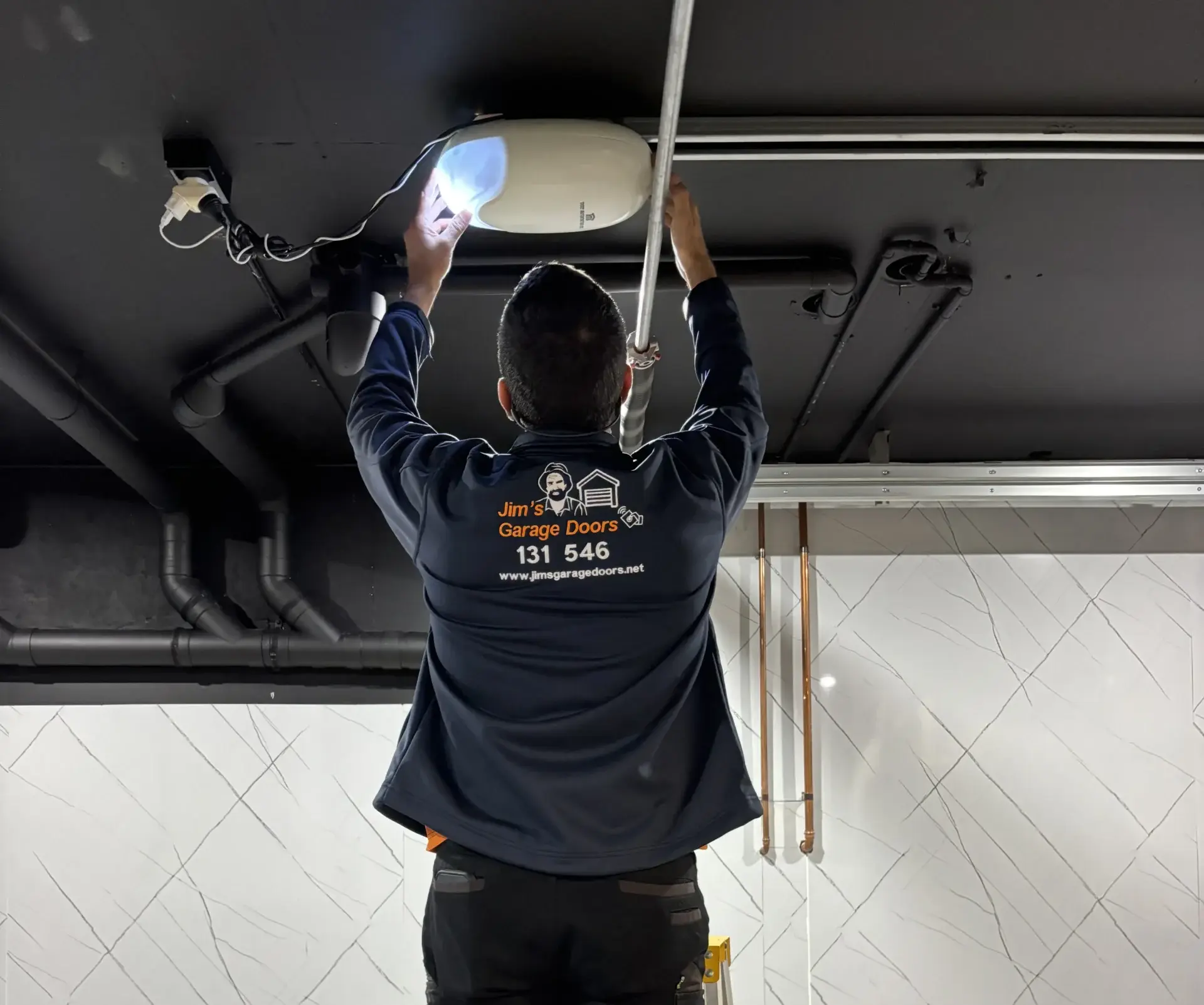
Jim’s Garage Doors installs, automates, repairs and services automatic garage doors for residential properties. We can automate suitable existing manual doors, replace failed garage door motors and openers, troubleshoot automatic door faults and service the complete door and opener system.
Automatic operation depends on more than choosing a motor. The garage door must move correctly, remain properly balanced and work with an opener suited to the door type, size, weight and available installation space.
Door Automation
Roller Doors
Sectional Doors
Motor & Opener Repairs
System Servicing
Quick Links
What Is an Automatic Garage Door?
An automatic garage door is a garage door connected to a motorised opener that controls opening and closing. Depending on the opener system, the door may be operated through a remote control, wall control, keypad or compatible smart-access device.
The opener creates controlled movement, but it is only one part of the complete garage door system. Springs, cables, tracks, rollers, hinges, brackets and other lifting components must also operate correctly.
Motor or Opener
The opener provides controlled powered movement and must be compatible with the type, size, weight and travel of the garage door.
Door Mechanism
Springs and related lifting hardware support and balance the garage door so the opener does not have to fight excessive door weight.
Controls & Safety
Remote controls, travel settings, manual release functions and applicable safety systems control how the automatic door is operated.
What Automatic Garage Door Services Are Available?
Jim’s Garage Doors can assist with automatic garage door installation, existing door automation, motor replacement, opener faults and ongoing servicing. The appropriate service depends on whether the garage door itself is operating correctly and what has failed within the automatic system.
Garage Door Automation
Fit a compatible motor or opener to a suitable manual roller, sectional or tilt garage door after the existing door has been assessed.
Motor Replacement
Replace an existing opener or motor when the door remains suitable but the automatic operating system has failed or requires upgrading.
Automatic Door Repairs
Diagnose automatic garage doors that will not open, close correctly, respond to controls or move consistently.
Remote & Control Checks
Assess compatible remote-control operation, receiver issues, opener settings and relevant access-control functions.
Safety & Operation Checks
Check door movement, opener travel, manual release operation and applicable automatic safety functions.
Automatic Door Servicing
Service the mechanical garage door and automatic opener together so faults are not assessed as separate systems.
Can an Existing Manual Garage Door Be Made Automatic?
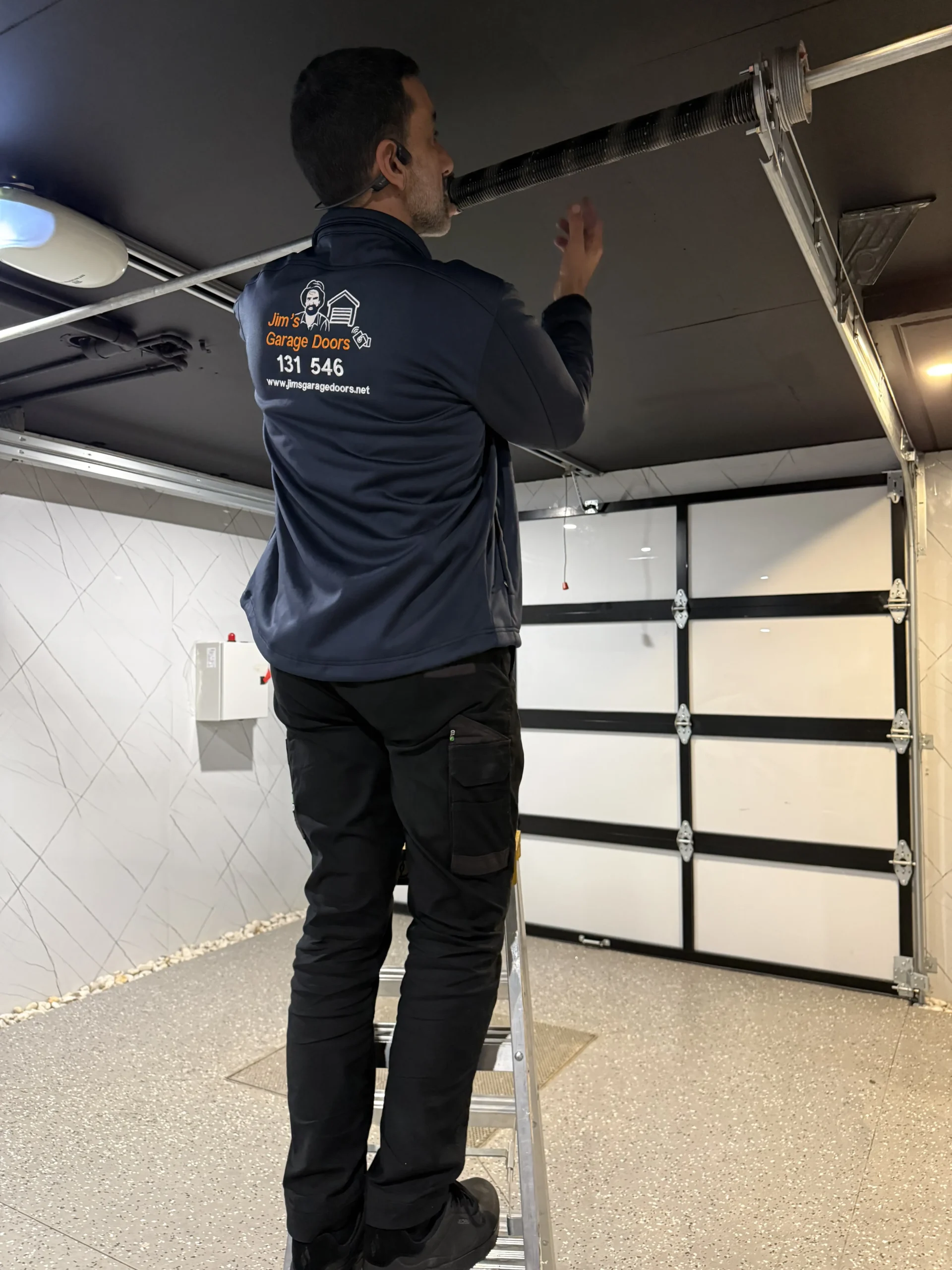
Yes, many existing manual garage doors can be automated when the door is in suitable working condition and a compatible opener is available. The door should be inspected before a motor is selected or installed.
A door that already binds, feels excessively heavy, moves unevenly or has damaged lifting components should not simply have a motor added to it. Automation can expose or worsen an existing mechanical problem rather than correct it.
What Should Be Checked Before Automation?
Door weight
Spring condition
Cable condition
Track alignment
Roller movement
Hinges and brackets
Side or ceiling clearance
Which Types of Garage Doors Can Be Automated?
Roller doors, sectional garage doors and suitable tilt doors can often be automated. Because each door moves differently, each requires an opener system suited to its particular operating mechanism and available space.
| Garage Door Type | Typical Automation | Main Compatibility Checks |
|---|---|---|
| Roller Door | Side-mounted roller door motor | Door balance, smooth curtain movement and available side room |
| Sectional Door | Ceiling-mounted opener | Door size, panel weight, balance, tracks and ceiling clearance |
| Tilt Door | Compatible tilt-door opener | Door weight, springs, pivot mechanism, arms and clearance |
Automatic Roller Doors
Residential roller doors generally roll vertically around a drum above the garage opening. A compatible motor can usually be mounted beside the drum where sufficient side room is available.
The roller door should move smoothly and remain properly balanced before it is automated. A stiff, noisy or uneven roller door may require servicing or repair first.
Automatic Sectional Garage Doors
Sectional garage doors generally use an opener positioned above the door. The opener moves the connected door through the vertical and horizontal tracks as the panels travel beneath the garage ceiling.
Motor selection depends on factors including door size, panel weight, operating balance and the available ceiling space.
Automatic Tilt Garage Doors
Tilt doors move as a single panel, so their automation requirements differ from roller and sectional doors. The motor must suit the pivoting movement and mechanical configuration of the door.
Door arms, springs, balance and clearance should be assessed before an older manual tilt door is automated.
How Is the Right Garage Door Opener Selected?
The correct opener is selected around the garage door rather than by motor features alone. Door type, size, weight, movement, balance and installation space determine what type of opener can be used.
Once compatibility has been established, additional opener functions can then be considered according to the selected system.
Opener Selection Factors
Door size and weight
Door balance
Available mounting space
Usage frequency
Control requirements
Depending on the compatible opener, available functions may include remote-control access, wall controls, courtesy lighting, soft start and stop, battery backup, manual release, safety reverse settings and compatible smart-access features.

Motor selection starts with the door type, weight, balance and operating configuration.
When Does Garage Door Automation Make Everyday Access Easier?
Automatic operation is most useful when the garage door is used regularly and manual lifting is inconvenient. The practical benefit comes from controlled access without needing to leave the vehicle or manually operate the door each time.
Daily Vehicle Access
Open and close the garage from a compatible remote rather than manually operating the door whenever a vehicle enters or leaves.
Weather Convenience
Automatic operation avoids getting out of the vehicle to manually open the garage during rain or other poor weather.
Reduced Manual Lifting
Automation can improve usability for household members who find repeated manual operation inconvenient or difficult.
Compatible Access Options
Depending on the selected opener, compatible remote, keypad or smart-access functions may provide additional ways to operate the door.
What Happens When a Garage Door Is Automated?
The process starts with assessing the garage door before the opener is fitted. This establishes whether the existing door is mechanically suitable and what type of automatic opener can operate it correctly.
Why Is an Automatic Garage Door Not Working Properly?
An automatic garage door problem may come from the opener, its controls or the mechanical garage door itself. A motor fault should therefore not be assumed until the complete door system has been checked.
| What You Notice | Possible Area to Check | Recommended Action |
|---|---|---|
| Door will not open | Remote, power, opener, spring, cable or door balance | Assess the complete system |
| Motor runs but door does not move | Drive system, manual release or garage door mechanism | Avoid repeated operation until checked |
| Door reverses unexpectedly | Resistance, tracks, balance, safety function or opener limits | Check for obstruction and arrange assessment if persistent |
| Door moves unevenly | Cables, tracks, rollers, springs or alignment | Stop operation if movement appears unsafe |
| Remote does not operate the door | Handset, receiver, programming, power or opener | Check the control system |
| Door is unusually heavy manually | Spring or balance system | Do not make the opener compensate for door weight |
| Door stops halfway | Mechanical resistance, balance or opener travel settings | Inspect before continued use |
| Automatic door is noisy | Rollers, hinges, tracks, motor or general door wear | Service and diagnose the source |
The fault may be in the opener or the garage door mechanism, so the complete system should be assessed.
Should an Automatic Garage Door Opener Be Repaired or Replaced?
The answer depends on what has failed and whether the existing opener remains suitable for the garage door. A door should be inspected before replacing the motor because an opener cannot correct damaged springs, cables, tracks or an incorrectly balanced door.
Opener Repair May Be Considered When
- The fault is isolated to a repairable control or opener component
- The opener remains appropriate for the garage door
- The door itself is mechanically sound
- The opener can continue to operate reliably after repair
Motor Replacement May Be Considered When
- The existing motor has failed and replacement is more appropriate
- The opener is no longer suitable for the door configuration
- A compatible replacement system is required
- The garage door remains suitable for continued automatic operation
In many cases, the opener can be replaced while the existing garage door remains in service. The door should first be checked to confirm that its balance, lifting system and movement are suitable for the replacement motor.
Do Automatic Garage Doors Need Regular Servicing?
Yes. An automatic garage door combines a mechanical door with a motorised opener, so both parts of the system should be checked during servicing. Servicing can identify developing wear or incorrect operation before it contributes to a larger failure.
Garage Door Checks
- Door balance
- Spring condition and tension
- Cable condition
- Roller movement
- Track alignment
- Hinges and brackets
Automatic Opener Checks
- Motor or opener operation
- Remote operation
- Travel limits
- Applicable safety reverse operation
- Manual release function
- General noise and vibration
Why Choose Jim’s Garage Doors for Automatic Garage Doors?
Automatic garage door work should consider the complete door and opener as one operating system. Jim’s Garage Doors can assess the garage door mechanism as well as the automatic opener before recommending automation, repair, servicing or motor replacement.
Full-System Assessment
The garage door and opener are considered together rather than treating every automatic fault as a motor problem.
Automation & Replacement
Suitable manual doors can be assessed for automation, while existing automatic systems can be considered for motor or opener replacement.
Repairs & Servicing
Mechanical garage door faults and automatic opener issues can be assessed as part of the same service system.
Mobile Garage Door Service
Jim’s Garage Doors provides mobile garage door services across serviced locations, subject to local technician availability.
Automatic Garage Door FAQs
Common questions about garage door automation, motors, compatibility, faults and servicing.
Can you make a manual garage door automatic?
Yes. Many manual garage doors can be made automatic if the door is balanced, safe and compatible with a suitable opener or motor. The existing door should be assessed before the opener is selected.
What types of garage doors can be automated?
Roller doors, sectional garage doors and some tilt garage doors can often be automated. Suitability depends on the door condition, weight, clearance, movement and operating system.
How much does it cost to automate a garage door?
The cost depends on the type of garage door, the compatible motor or opener required, control options and whether the door needs mechanical repairs before automation. A technician can assess the door and provide a quote for the required work.
Can a roller garage door be automated?
Yes. Many residential roller doors can be automated with a compatible side-mounted roller door motor, provided the door is properly balanced, moves smoothly and has sufficient side room for the motor installation.
Can a sectional garage door be automatic?
Yes. Sectional garage doors are commonly automated with an opener mounted above the door that moves the connected door along its tracks.
Why is my automatic garage door not opening?
An automatic garage door may fail to open because of a remote-control issue, power problem, opener fault, broken spring, cable fault, track problem or incorrect door balance. The full system may need to be checked to identify the cause.
Why does my automatic garage door reverse?
The door may reverse when the opener detects resistance or when there is a problem with door balance, track alignment, opener travel settings or an applicable safety function. Persistent reversing should be investigated rather than repeatedly overriding the door.
Do automatic garage doors need servicing?
Yes. Automatic garage doors should be serviced regularly so the motor, springs, cables, rollers, tracks, hinges, door balance, controls and applicable safety functions can be checked together.
Can I replace only the garage door motor?
Yes, in many situations the opener or motor can be replaced without replacing the garage door. The door should first be inspected to confirm that it remains mechanically safe and compatible with the replacement motor.
Are automatic garage doors safe?
Automatic garage doors can operate safely when the door and opener are correctly installed, adjusted, tested and maintained. Door balance, manual release operation and applicable automatic safety functions should remain in working condition.
Do you install automatic garage doors near me?
Jim’s Garage Doors provides automatic garage door installation, automation, repairs and servicing across serviced areas. Call 131 546 or request a quote to check local technician availability.
Need Help With an Automatic Garage Door?
Whether you want to automate an existing manual door, replace a failed motor, diagnose an automatic garage door fault or arrange servicing, Jim’s Garage Doors can assess the complete door and opener system.