

Jim’s Garage Doors provides garage door repairs in Birchgrove NSW 2041 for roller doors, sectional doors, tilt doors and automatic garage door systems.
Technicians inspect faults involving springs, lifting cables, rollers, tracks, guides, door balance and automatic openers before determining the repair required.
If your garage door is stuck, unusually heavy, crooked, noisy or no longer opening and closing correctly, call 131 546 to arrange an inspection in Birchgrove.
Jim’s Garage Doors repairs residential garage doors in Birchgrove when they become stuck, heavy, uneven, noisy or unable to open and close normally.
Mechanical door faults and automatic opener problems are assessed according to the symptoms present so the required repair addresses the cause rather than only the visible symptom.
Common garage door faults involving springs, lifting cables, tracks and rollers can often be repaired when the main door remains structurally serviceable.
Because these components work together, changes in door weight, alignment or movement should be diagnosed before a particular part is assumed to have failed.
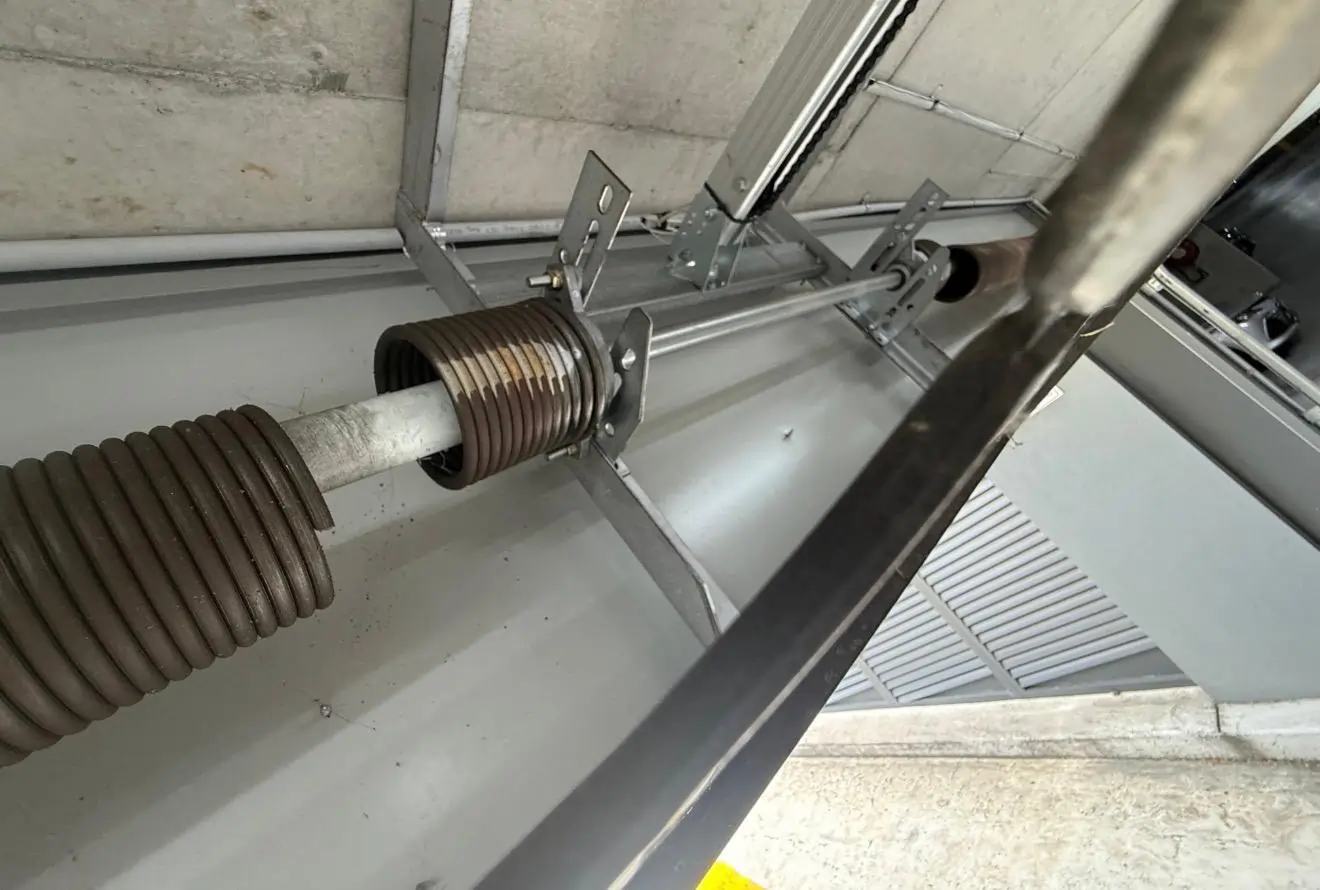
A broken or weakened spring can make the garage door unusually heavy and may leave an automatic opener unable to lift it normally.
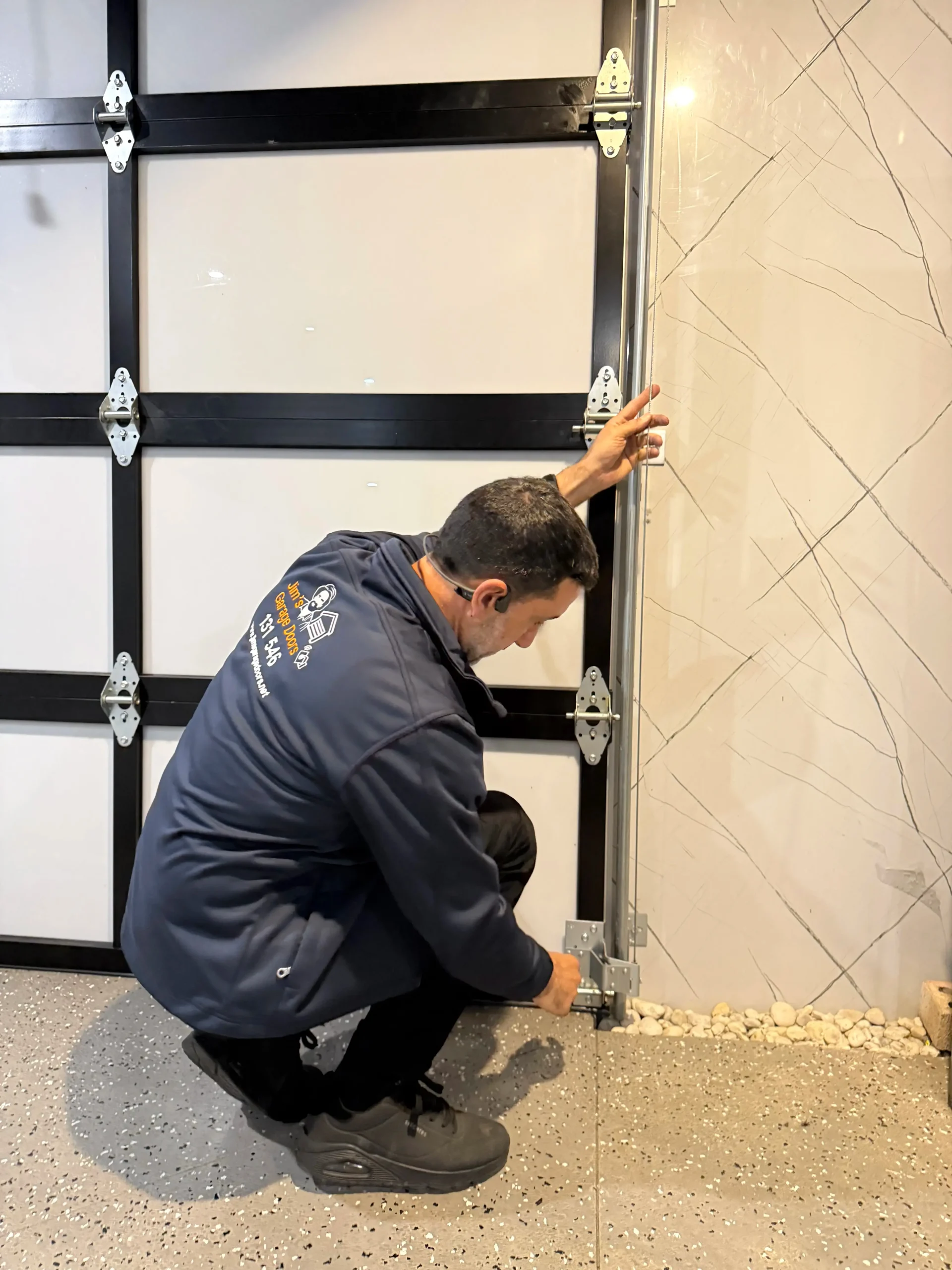
Loose, frayed or damaged lifting cables can leave one side of the garage door unsupported and cause the door to sit or move unevenly.
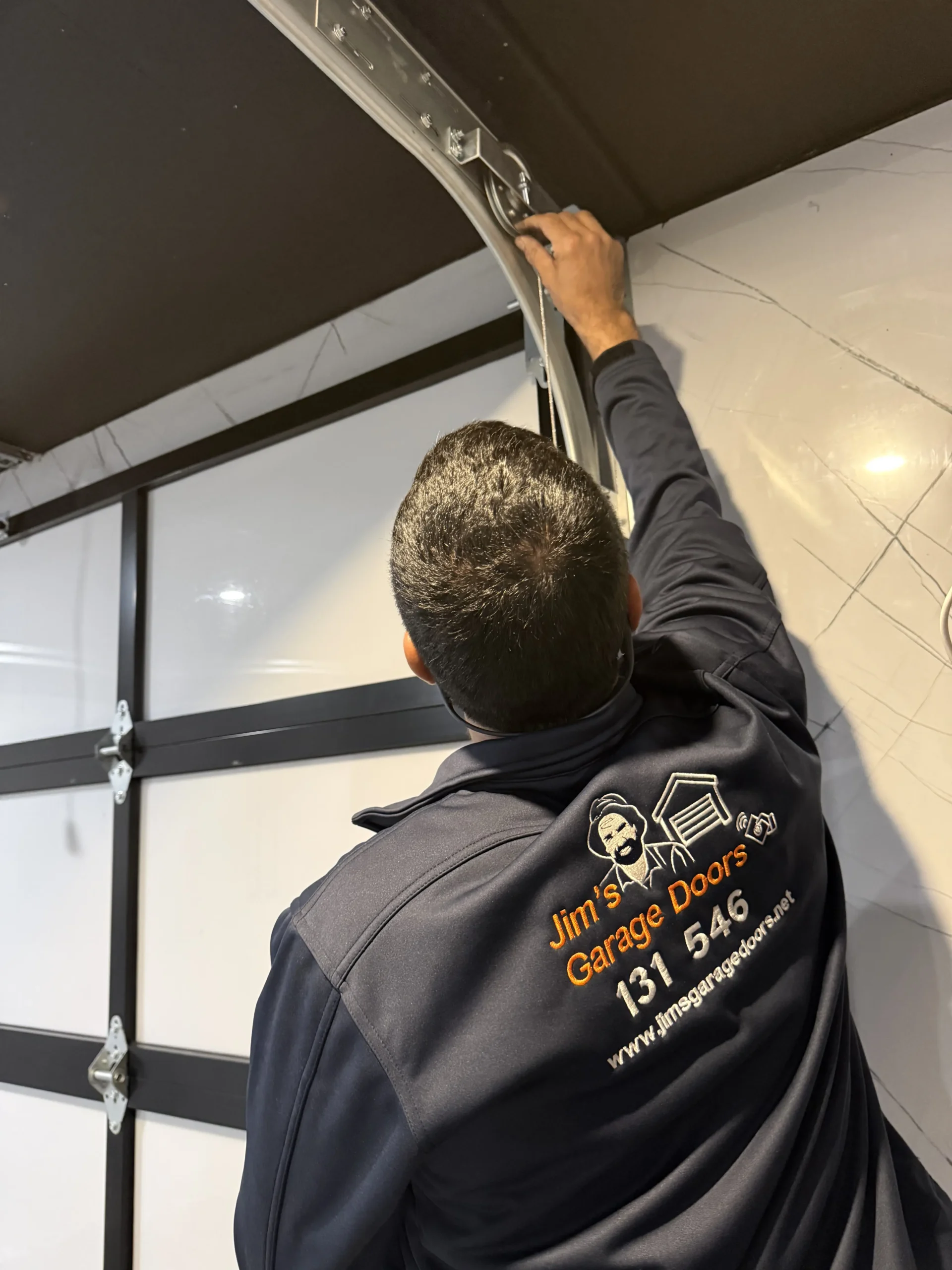
Bent tracks, worn rollers or poor alignment can cause scraping, resistance, jerking movement or a garage door that leaves its normal travel path.
A garage door that still moves can still have a significant mechanical fault.
If the door becomes crooked, unusually heavy, starts binding or shows visible cable or track problems, continued operation can place additional load on connected components.
Yes. Jim’s Garage Doors provides roller door repairs in Birchgrove for doors that become heavy, noisy, uneven, difficult to lift, bind in their guides or stop during automatic operation.
A residential roller door relies on its curtain, side guides, spring system, axle, bearings and opener working together. Wear, resistance or misalignment in one part of the system can therefore affect how the complete door operates.
A roller door that stops moving does not automatically have a failed motor.
Spring problems, guide resistance or curtain misalignment should be checked before the automatic opener is assumed to be responsible.
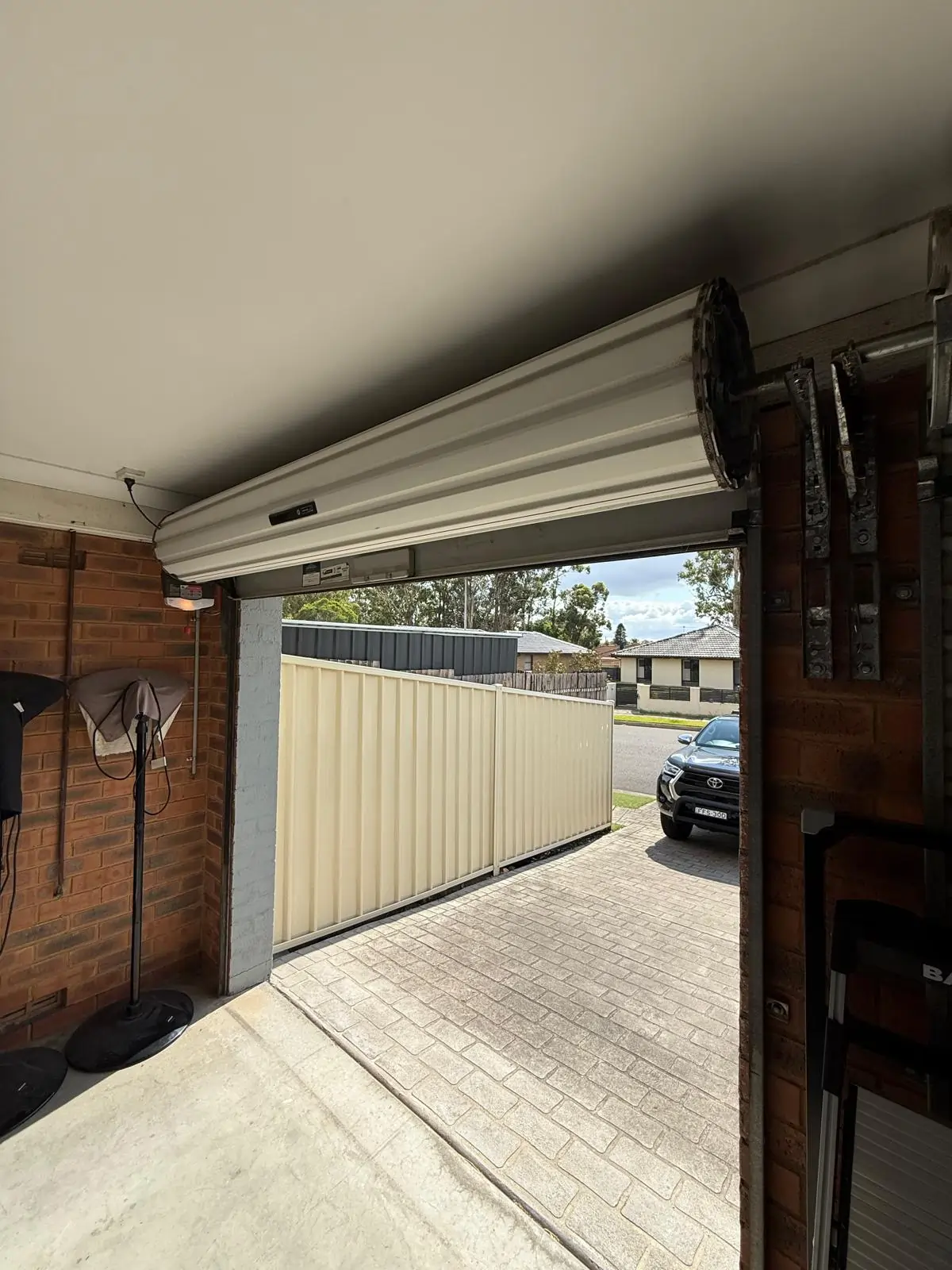
Roller Door Repairs Birchgrove
Springs, guides, curtain movement and automatic operation are assessed as connected parts of the roller door system.
Yes. Automatic garage door faults can often be repaired after the opener and mechanical door have been checked separately.
A door that stops, reverses or appears to strain may have an opener fault, but the same symptoms can occur when the door is heavy, poorly balanced or mechanically restricted.
Misaligned or faulty sensors can prevent closing or cause an automatic garage door to reverse unexpectedly.
Incorrect travel or limit settings can cause the opener to stop before the garage door reaches its required position.
Motor, receiver and drive-system faults can interfere with automatic operation and should be separated from faults within the door itself.
A heavy, poorly balanced or binding garage door can make a functioning automatic opener appear weak or unreliable.
Opener symptoms do not always mean the opener has failed.
A broken spring, binding roller, track problem or poor door balance can increase resistance enough to affect automatic operation.
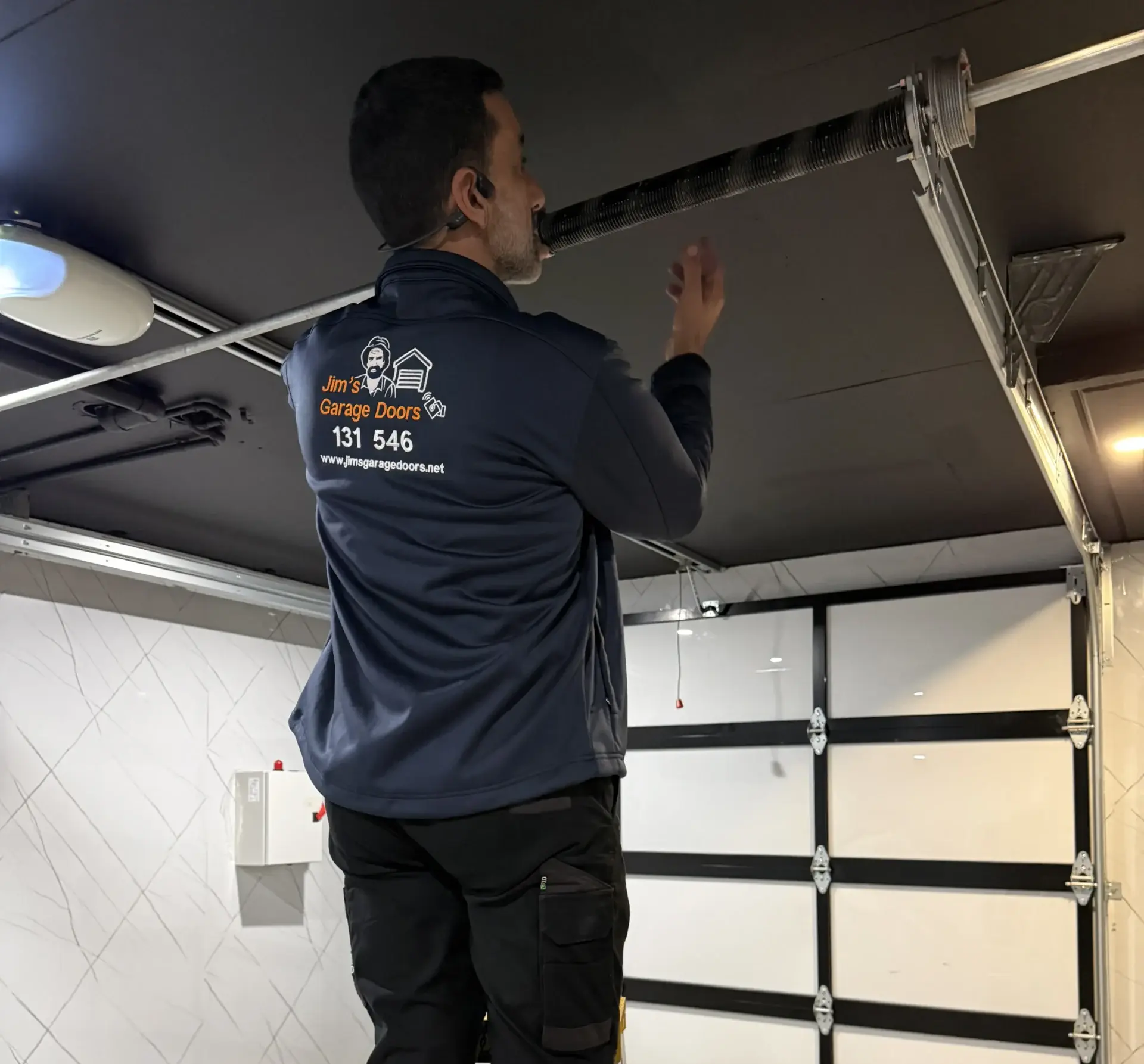
A garage door fault is diagnosed by checking the components connected to the symptom rather than assuming the first visible problem is the complete cause.
This helps distinguish spring, cable, roller, track, balance and automatic opener faults.
For example, a sectional garage door lifting higher on one side may have a cable problem, but spring balance, roller movement and track position can also influence how that side of the door travels.
Door balance
Springs and cables
Rollers and bearings
Tracks and guides
Automatic opener
Safety settings
Diagnosing these connected components before repair helps avoid treating an opener, track or other component as the cause when the fault sits elsewhere in the system.
A garage door should stop being used when it is visibly crooked, has a broken spring, shows a loose or damaged lifting cable, or has moved out of its normal track or guide position.
Continued operation can increase mechanical damage and place additional load on connected components.
| Garage Door Situation | Recommended Action |
|---|---|
| Door is crooked or one side rises faster | Stop operation and arrange an inspection. |
| Spring is broken or a cable is visibly loose | Keep the door out of use until repaired. |
| Roller door repeatedly binds in its guides | Limit operation and have the curtain and guides checked. |
| Door becomes noticeably heavier | Arrange an assessment of the spring system and door balance. |
| Automatic door stops or reverses | Have both the mechanical door and opener assessed. |
Garage door crooked, heavy or stuck?
Avoid repeatedly operating the door until the cause has been identified.
The repair process identifies the source of the fault, determines the work required and checks the garage door after suitable repairs are completed.
This keeps the assessment focused on how the complete door system is operating.
Inspect the Garage Door
The technician checks door position, movement, balance and the relevant springs, cables, tracks, rollers or guides.
Identify the Fault
Mechanical resistance, damaged lifting components and automatic opener symptoms are separated to determine where the problem originates.
Determine the Required Repair
The repair is based on the failed component and any related alignment or operating problems found during inspection.
Repair and Check Operation
After suitable repair work, garage door movement and automatic operation can be checked to confirm the repaired system is functioning correctly.
Garage door repair cost depends on the type of door, the component that has failed, the parts required and whether the fault has affected other parts of the system.
An inspection is therefore more reliable than estimating the repair from a symptom such as a door that will not open or an opener that has stopped working.
Roller, sectional and tilt garage doors use different lifting, tracking and balance systems, which can change the repair required.
Springs, lifting cables, rollers, tracks and automatic opener components require different parts and repair procedures.
A single failed component requires a different repair from a door that has also developed alignment or secondary mechanical damage.
Why does diagnosis matter before pricing?
A garage door that will not open may have a broken spring, damaged cable, binding track or automatic opener fault. These faults can produce a similar symptom but require different repairs.
Jim’s Garage Doors provides garage door repairs for Birchgrove homeowners dealing with broken springs, damaged cables, worn rollers, track problems, opener faults and garage doors that have become heavy, noisy, uneven or difficult to operate.
Repair support covers roller doors, sectional garage doors, tilt doors and automatic garage door systems, with the required work determined by the fault identified during inspection.
Jim’s Garage Doors provides garage door repair support across Birchgrove and surrounding areas of Sydney’s Inner West.
Yes. Jim’s Garage Doors provides garage door repairs in Birchgrove for roller doors, sectional doors, tilt doors and many automatic garage door systems.
Yes. Roller door repairs can address faults involving the spring system, side guides, curtain movement, axle components, bearings and automatic opener.
No. A physically broken garage door spring normally requires replacement with a suitable spring followed by a check of door balance and operation.
No. A loose or damaged lifting cable can cause uneven movement and may leave one side of the garage door unsupported.
Yes. Automatic opener faults can often be assessed and repaired, although the mechanical garage door should also be checked for poor balance or excessive resistance.
To arrange garage door repairs in Birchgrove NSW 2041, call Jim’s Garage Doors on 131 546 or request a quote online.
A technician can inspect roller, sectional, tilt and automatic garage door faults and determine the repair required.
Enter your postcode to check local technician availability. We service and repair all garage door brands.