

Jim’s Garage Doors provides garage door repairs in Cabarita NSW 2137 for roller doors, sectional garage doors, tilt doors and automatic garage door systems.
Repairs can address problems involving springs, cables, tracks, rollers, door balance and garage door openers.
If your garage door has become unusually heavy, is sitting crooked, has come off its tracks or has a loose or damaged cable, avoid repeatedly operating it until the fault has been inspected.
Jim’s Garage Doors can inspect common mechanical and automatic garage door faults in Cabarita and determine which part of the door system is causing the problem.
The visible symptom does not always identify the failed component because springs, cables, tracks, rollers, balance and automatic opener systems work together.
The way a garage door behaves can help identify whether the fault involves its lifting system, tracks, rollers, balance or automatic opener, but similar symptoms can have different causes.
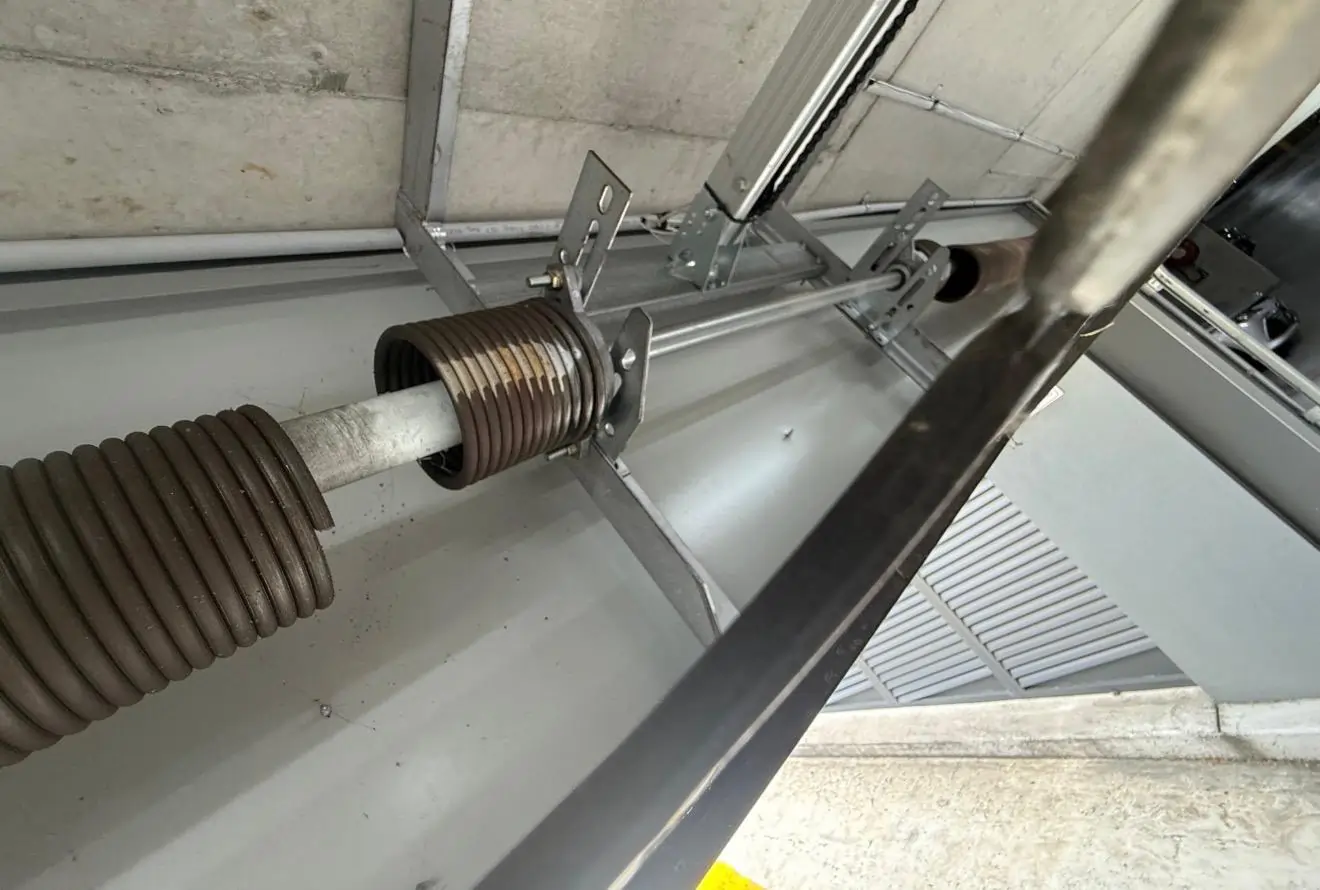
A garage door that suddenly becomes unusually heavy can have a spring or counterbalance problem, although track, roller or alignment resistance can produce a similar symptom.
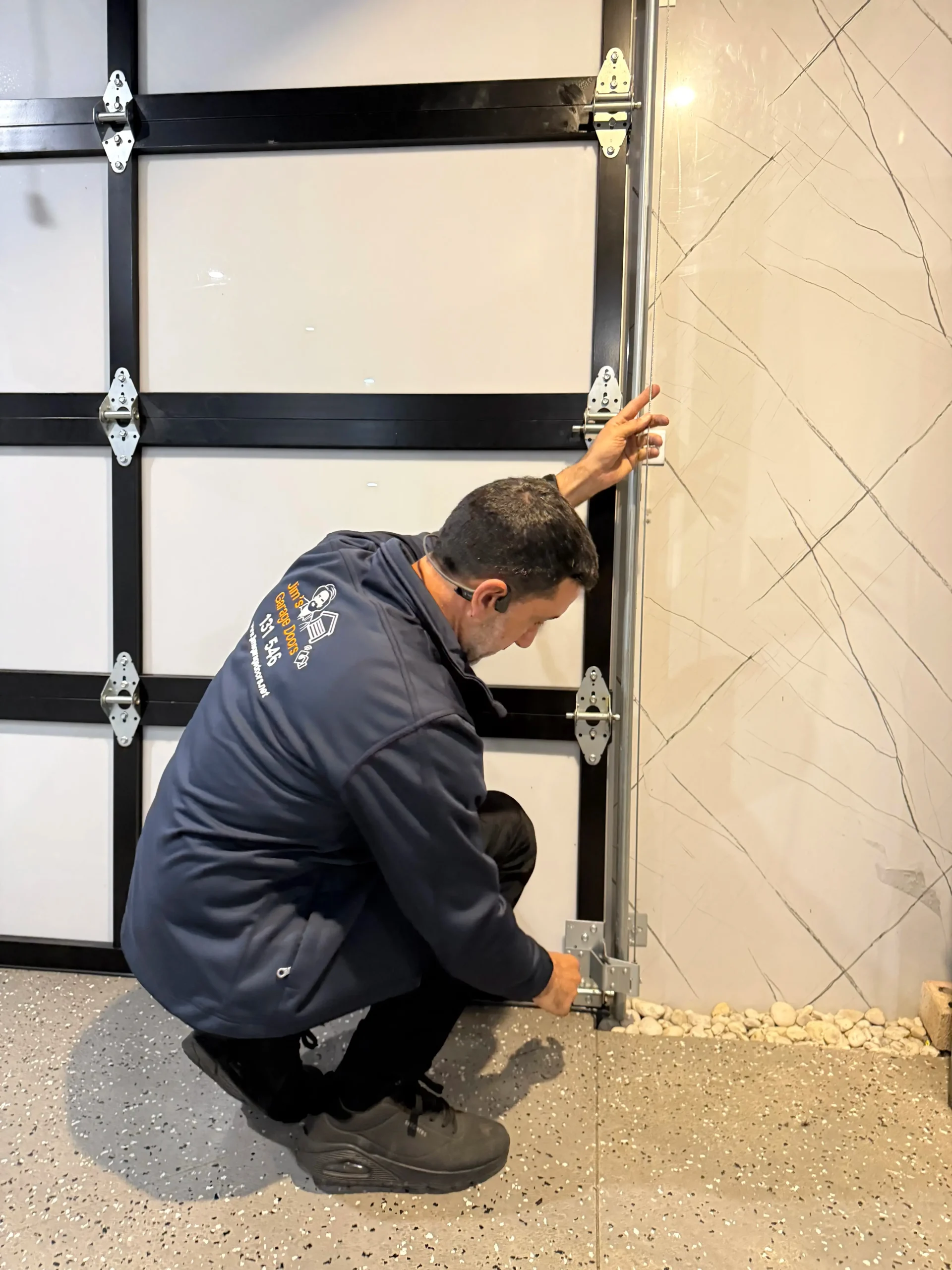
A loose, damaged or displaced cable can affect how evenly the garage door lifts and may cause one side to sit lower than the other.
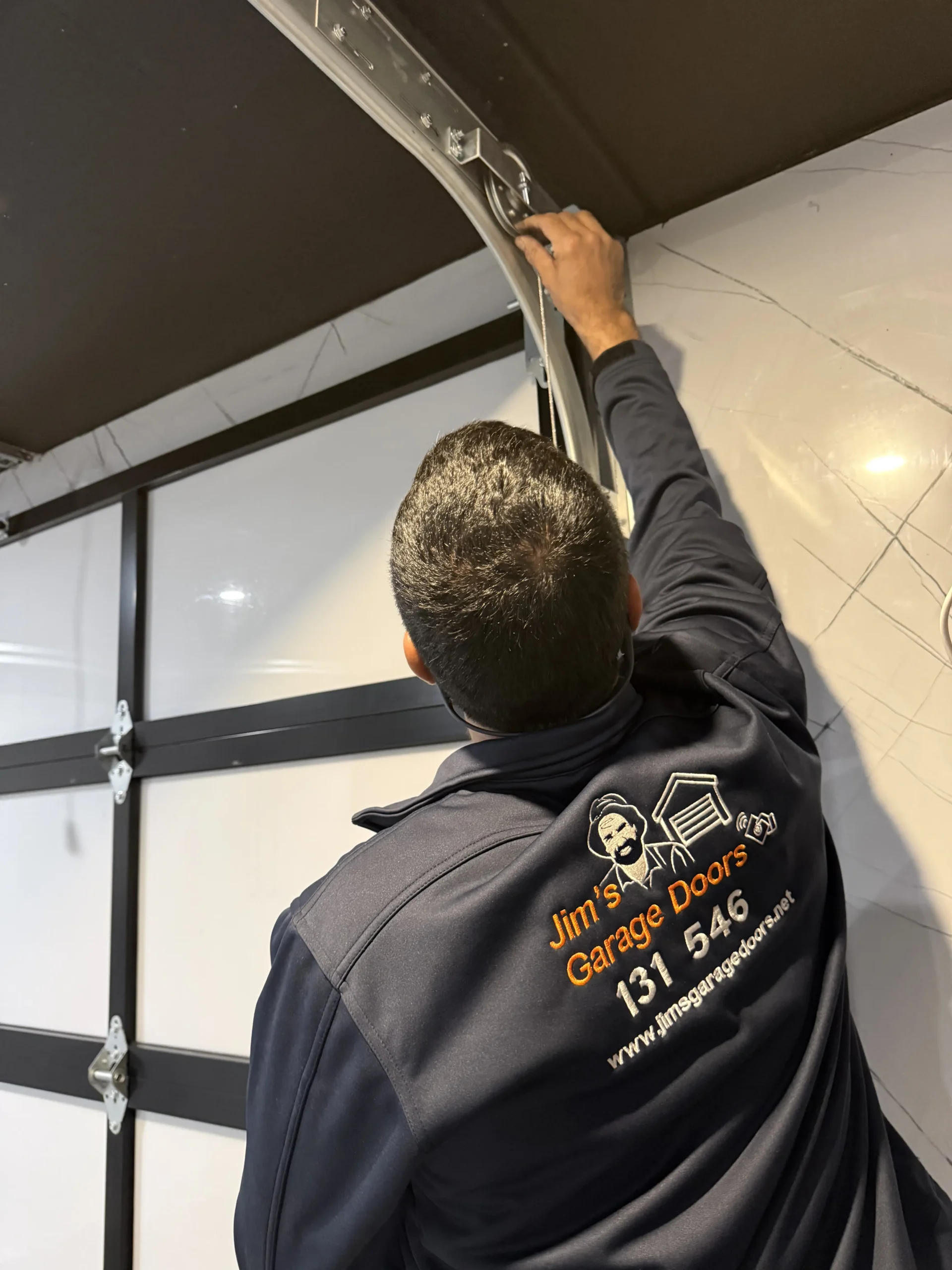
Bent tracks, damaged rollers or poor alignment can create resistance and interfere with smooth manual or automatic garage door movement.
A symptom does not always identify the failed component.
A heavy, crooked or poorly moving garage door can have several possible causes, so the connected components should be checked before deciding what requires repair.
Yes. Roller door problems involving the spring system, guides, curtain alignment or automatic operation can often be repaired once the source of the fault has been identified.
Roller door faults can affect manual movement, automatic operation or both. The spring system, curtain, side guides and opener should therefore be considered together when the cause is not immediately obvious.
A roller door that stops moving does not automatically have a failed motor.
Spring problems, guide resistance or curtain alignment can also make the automatic opener appear to be responsible.
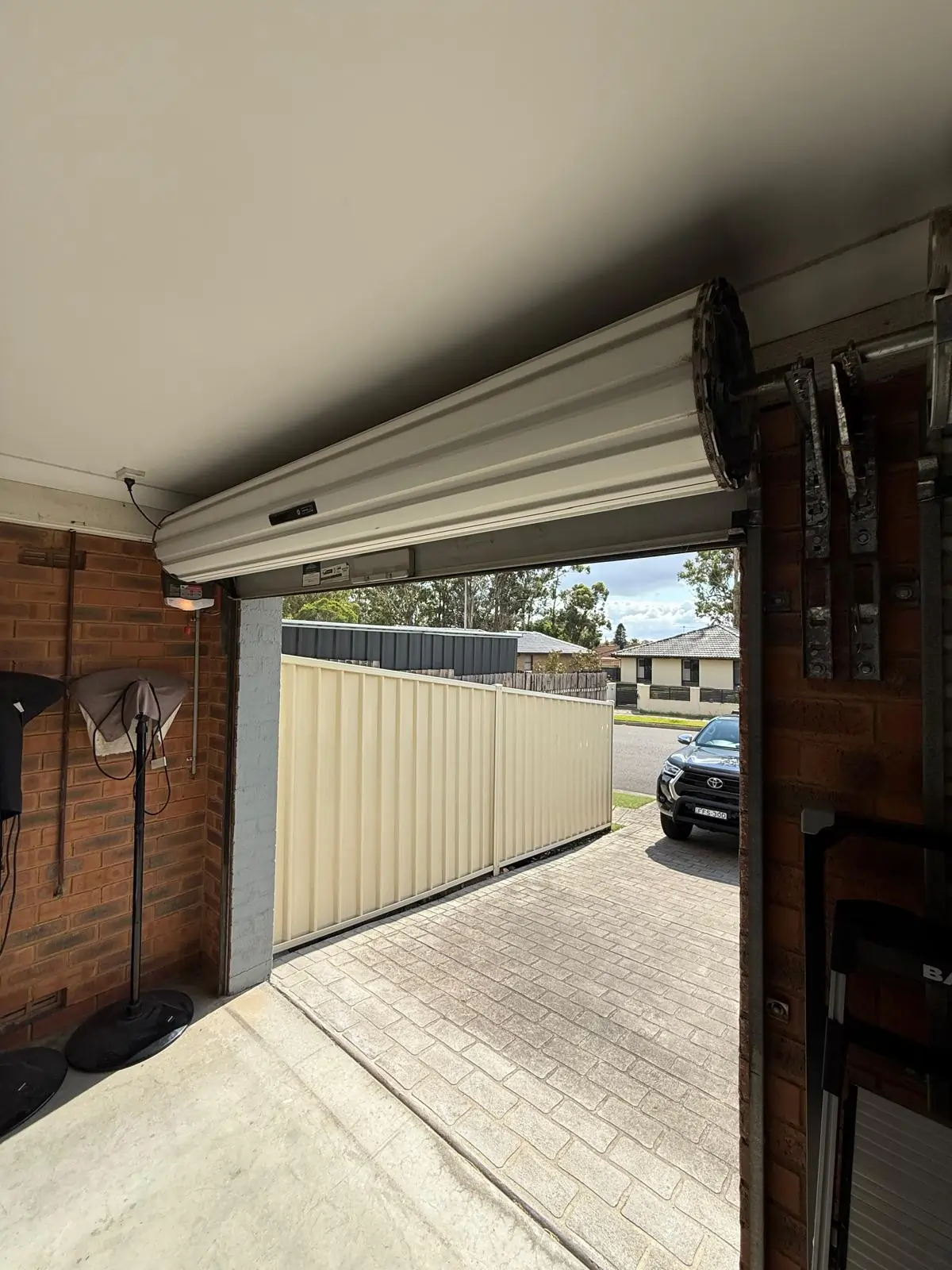
Roller Door Repairs Cabarita
The spring system, guides, curtain movement and automatic opener can be assessed together to identify the source of a roller door fault.
Automatic garage door problems should be diagnosed by separating the mechanical condition of the door from the opener because a heavy, unbalanced or resistant door can make a functioning motor appear faulty.
Safety sensors where fitted can prevent closing or cause an automatic garage door to reverse unexpectedly.
A heavy or poorly balanced garage door can place additional load on an otherwise functioning automatic opener.
Intermittent operation can involve the remote, wall control, receiver or another part of the opener control system.
The opener motor and drive system can be assessed after excessive mechanical resistance has been considered.
A struggling opener does not automatically mean the motor has failed.
A heavy, uneven or mechanically resistant garage door can make a functioning opener appear weak or unreliable.
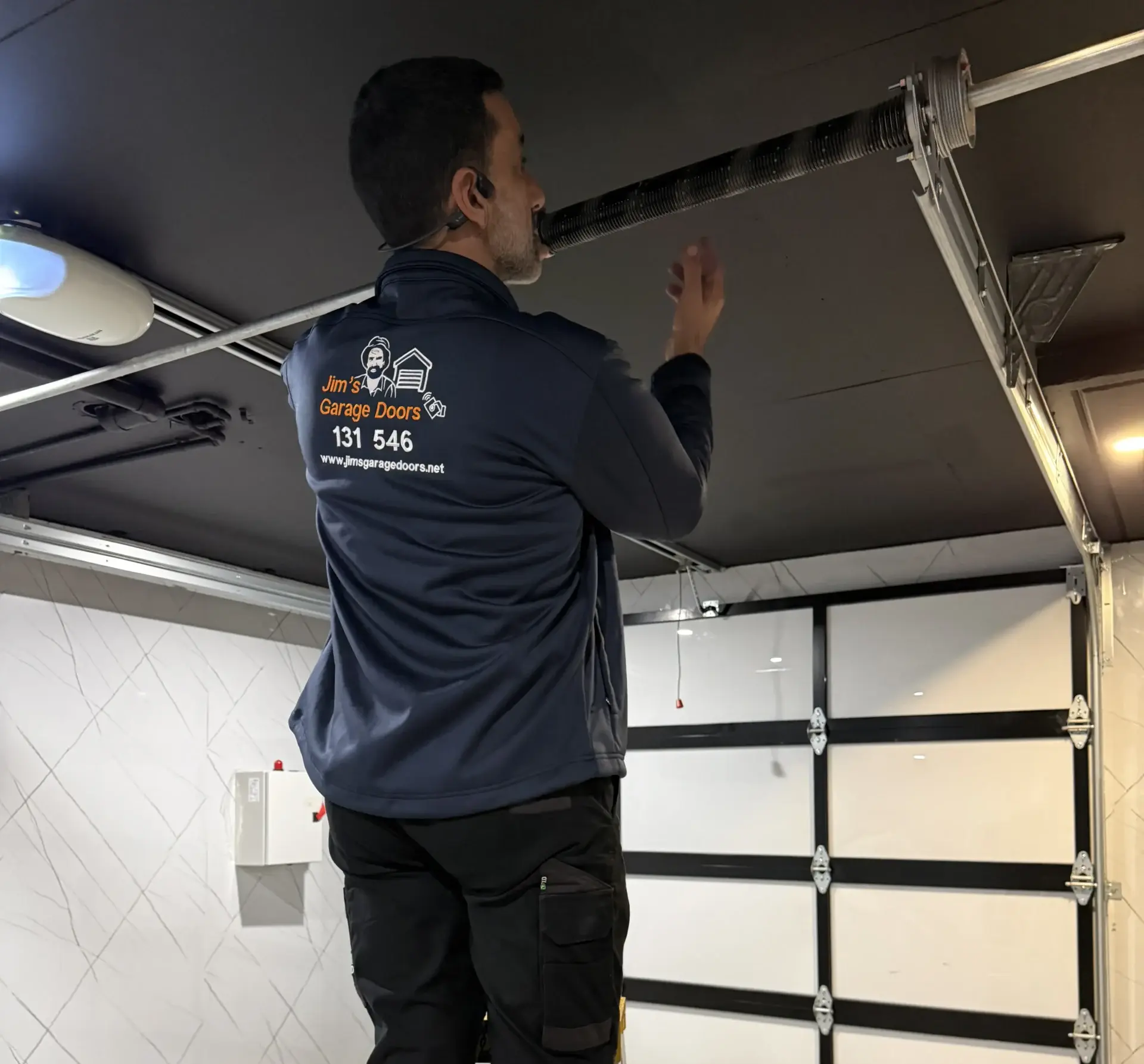
Diagnosis Before Repair
The door, lifting hardware and automatic opener are checked before the required repair is determined.
A proper garage door diagnosis should first determine how the door is behaving mechanically and then isolate faults involving the opener, controls or automatic safety system.
A heavy door, uneven movement, binding track or struggling opener can produce overlapping symptoms, so the complete operating system should be considered before a component is assumed to have failed.
Door position and movement
Door balance
Springs and cables
Tracks and rollers
Automatic opener
Controls and safety systems
Stop repeatedly operating a garage door if it is crooked, unusually heavy, off its tracks, has a visibly displaced cable or is moving with severe mechanical resistance.
| Garage Door Situation | Recommended Action |
|---|---|
| One side of the door sits substantially lower | Stop operation and arrange an inspection. |
| Cable is loose, damaged or displaced | Keep the garage door out of use until assessed. |
| A roller has left the track | Avoid further operation until the door is inspected. |
| Door suddenly becomes much heavier | Have the spring system, balance and mechanical movement checked. |
| Automatic door stops or reverses | Assess both the mechanical door and automatic opener. |
Garage door crooked, heavy or off track?
Avoid repeatedly operating the door until the cause has been identified.
The repair process identifies the source of the fault, determines the work required and checks the garage door after suitable repairs are completed.
Check the Door Position
The door is checked to determine whether it is level, crooked, partially open or visibly outside its normal travel position.
Inspect the Lifting System
Springs, cables and related lifting components are checked for visible damage or irregular operation.
Check Tracks and Rollers
The door should be able to move through its tracks without excessive resistance, binding or displacement.
Assess Mechanical Movement
The door is assessed for unusual weight, uneven movement or resistance independently of the automatic opener.
Check Automatic Operation
Once the mechanical condition is understood, opener, remote, control and sensor faults can be isolated more accurately.
Identify the Required Repair
The repair can then target the component or system responsible for the fault rather than only the visible symptom.
No. An isolated spring, cable, roller, track or opener fault does not automatically mean the complete garage door needs replacement.
The condition of the complete garage door system should guide the decision.
One failed spring, cable, roller, track or opener component does not by itself mean that the entire garage door needs replacement.
Jim’s Garage Doors provides garage door repairsfor Cabarita homeowners dealing with heavy doors, spring problems, damaged cables, track and roller faults, roller door problems and automatic garage door opener faults.
Repair support covers roller doors, sectional garage doors, tilt doors and automatic garage door systems, with the required work determined by the fault identified during inspection.
Jim’s Garage Doors provides garage door repair support across Cabarita and surrounding areas of Sydney’s Inner West.
Yes. Jim’s Garage Doors provides garage door repairs in Cabarita for roller doors, sectional garage doors, tilt doors and many automatic garage door systems.
A garage door that still moves can still have a significant lifting, cable, spring, roller or track problem. Crooked movement should be assessed before the door is repeatedly operated.
The motor may be faulty, but the door itself may also be heavy, unbalanced or mechanically resistant. The mechanical operation of the door should be checked before the opener is assumed to be the cause.
Yes. A damaged, loose or displaced cable can affect how evenly the door lifts and may cause one side to sit lower than the other.
A garage door may reverse because of an obstruction, safety-sensor issue, opener problem or mechanical resistance. The cause should be isolated before components are adjusted or replaced.
Avoid repeatedly operating an automatic garage door that has suddenly become unusually heavy. A spring, balance or mechanical problem may be placing additional load on the opener.
Not automatically. A broken spring can often be treated as a component repair if the rest of the garage door remains serviceable.
A technician can inspect the door’s springs, cables, tracks, rollers, balance and automatic opener to identify the cause of the problem and determine the repair required.
Enter your postcode to check local technician availability. We service and repair all garage door brands.