

Garage door repairs in Cattai provides garage door repairs in Cattai for stuck, noisy, damaged, unsafe, or unreliable garage doors. The service covers roller doors, sectional doors, automatic garage door openers, springs, cables, tracks, rollers, remotes, sensors, and general garage door faults across Cattai and nearby areas.
Local Service
All Door Types
Repair Diagnosis
Roller Doors
Call 131 546
A proper garage door repair starts by finding the real cause of the failure, not only the first visible symptom.
Jim’s Garage Doors checks the door movement, spring balance, cable condition, roller travel, track alignment, opener force, safety sensors, and remote response before recommending a repair.
This matters because a garage door is a connected lifting system. When one component weakens, another component often takes extra load. A weak spring can overload the opener. A seized roller can place stress on the track. A frayed cable can cause the door to sit unevenly. Repairing the wrong part can leave the same fault active.
Many garage door opener faults are actually caused by mechanical resistance. If the door is heavy, crooked, or rubbing in the tracks, the motor may stop working correctly even when the opener itself is not the original fault.
Most garage door faults show warning signs before the door fails completely. Noisy movement, uneven lifting, slow opening, shaking panels, remote failure, and doors stopping halfway should be checked early.
Garage door springs support the door’s weight. When spring tension weakens or breaks, the opener must lift more load than designed.
Cables help lift the door evenly. A damaged cable can make the door tilt, jam, or drop unevenly.
Rollers guide the door through the tracks. Worn rollers can create grinding, shaking, scraping, and motor strain.
Tracks control the door’s movement. Bent or loose tracks can cause jamming, rubbing, uneven travel, and poor closing.
Garage door symptoms can look similar, but the causes can be different. A diagnosis helps separate motor faults from mechanical faults.
| Problem | Likely Cause | Recommended Repair |
|---|---|---|
| Door opens halfway then stops | Weak spring, opener load limit, track resistance, or roller friction | Check balance, rollers, tracks, and opener settings |
| Door is crooked or uneven | Damaged cable, loose drum, track issue, or spring imbalance | Inspect cable system and realign door travel |
| Grinding or squealing noise | Worn rollers, dry hinges, track friction, or opener strain | Replace worn parts and lubricate moving components |
| Remote works sometimes | Remote battery, receiver fault, interference, opener issue, or sensor problem | Test remote, receiver, motor, and sensors |
| Door reverses before closing | Sensor obstruction, limit setting, track resistance, or safety force issue | Check sensors, limits, tracks, and opener force settings |
Each garage door component affects the rest of the system. Inspecting the full mechanism helps the repair improve safety, movement, and reliability.
Springs counterbalance the door’s weight. Poor spring balance makes the door heavy and forces the opener, cables, brackets, and hinges to work harder.
Rollers reduce friction between the door and tracks. Worn rollers can create noise, uneven movement, opener strain, and track wear.
Tracks guide the door’s direction. A bent or loose track can cause jamming, scraping, panel stress, and poor closing.
Cables transfer lifting force. Frayed or loose cables can make the door tilt, bind, or become unsafe to operate.
Openers move the door automatically, but they rely on the door being balanced. A motor fault may start from spring, roller, or track resistance.
Sensors stop the door closing on obstructions. Dirty, misaligned, or faulty sensors can cause the door to reverse or refuse to close.
Roller door repairs Cattai are available for doors that are jammed, noisy, heavy, loose, misaligned, dented, or unreliable. Jim’s Garage Doors checks the curtain, guides, axle, spring tension, brackets, bottom rail, locking system, and opener before recommending the right repair.
Roller doors are common on garages, sheds, workshops, and storage areas around Cattai. When a roller door starts rubbing in the guides, moving unevenly, or stopping during operation, continued use can damage the curtain, guides, motor, and spring system.
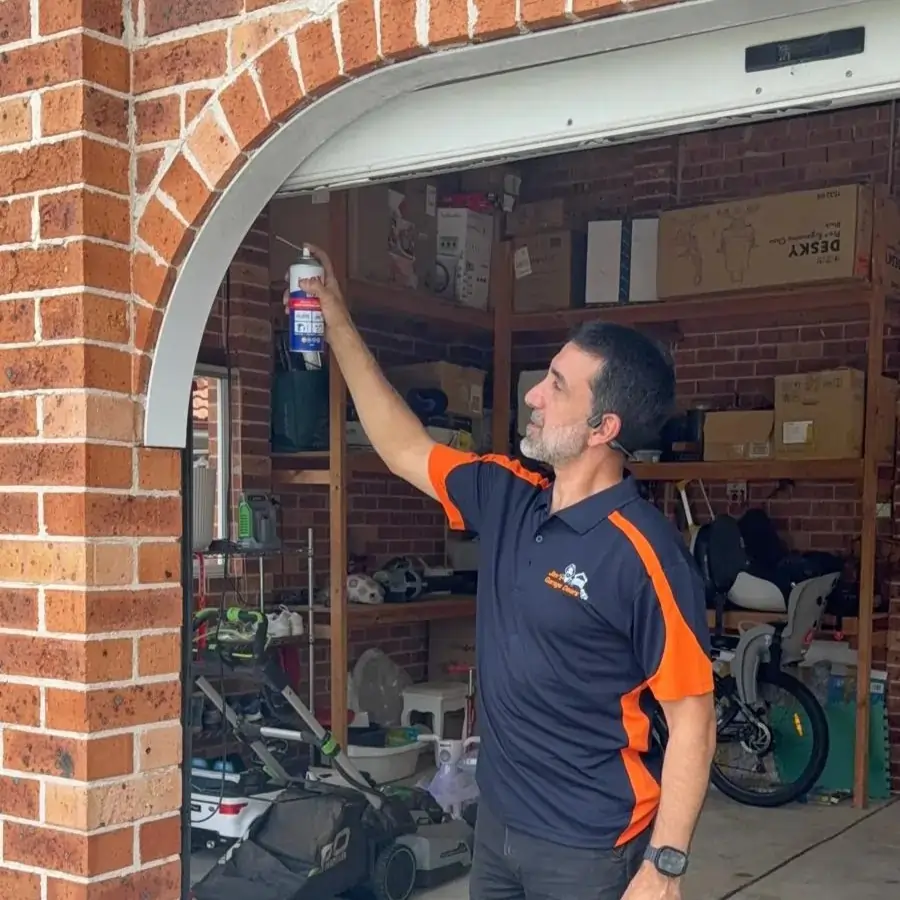
Automatic opener faults can be caused by the motor, remotes, wall button, sensors, travel limits, receiver, drive system, or the door being too heavy for the opener to lift safely.
Jim’s Garage Doors checks both the opener and the door mechanics before confirming the repair. One common pattern is a homeowner assuming the motor has failed because the remote no longer opens the door fully. In many cases, the opener is reacting to extra load caused by weak springs, seized rollers, damaged hinges, or track friction.
Book a diagnosis before replacing the motor.
The repair process moves from diagnosis to safe operation, so the homeowner understands what failed, why it matters, and what needs to be repaired.
The technician checks whether the door is safe to move, lift, release, or test.
Springs, cables, rollers, tracks, opener, sensors, panels, and balance are inspected.
The homeowner is told which component has failed and what repair is suitable.
The door is repaired where possible and tested for movement, balance, closing, safety, and opener response.
Repair is usually suitable when the door structure is sound and the fault is limited to springs, rollers, cables, tracks, hinges, sensors, remotes, or opener parts.
The most obvious symptom is not always the true cause. A noisy door may be caused by roller wear rather than the opener. A door that reverses may be reacting to sensor alignment, track friction, or poor spring balance.
Action: The technician checks spring balance, roller movement, track friction, and opener force.
Outcome: Fixing the load issue can prevent avoidable opener failure.
Action: Rollers, hinges, tracks, brackets, and lubrication points are inspected.
Outcome: Early repair can reduce strain on the motor and lifting system.
Many faults that lead to garage door repairs, including worn springs, damaged cables, noisy rollers, misaligned tracks, sensor faults, and overworked automatic garage door openers, can often be found before the door fails completely.
Booking regular garage door maintenance allows experienced technicians to inspect, adjust, lubricate, balance, and test the garage door system. For Cattai homeowners, maintenance can reduce avoidable breakdowns and help the opener, springs, rollers, cables, and tracks last longer.
Garage door faults seen in Cattai are also common across nearby rural, semi-rural, and Hills District suburbs where larger garage doors, detached garages, sheds, and automatic openers are used frequently.
Jim’s Garage Doors can inspect the fault, explain the cause, recommend the right repair, and help restore safe garage access.
These answers help Cattai homeowners decide when to book a garage door repair and when to stop using the door.
Yes. Jim’s Garage Doors provides roller door repairs Cattai for jammed, noisy, heavy, damaged, misaligned, and unreliable roller doors.
Yes. Weak springs can make the opener lift more weight than designed, which can cause stopping, reversing, motor strain, or premature opener failure.
No. A stuck garage door should not be forced because the issue may involve springs, cables, tracks, rollers, or opener force settings.
Yes. Worn or seized rollers increase friction, which can make the opener work harder and place extra strain on the motor and drive system.
No. A noisy garage door may only need roller replacement, hinge adjustment, track correction, lubrication, or opener testing after inspection.
Yes. Damaged garage door cables can often be replaced, but the door should be inspected because cable faults may also involve spring balance or track issues.
Yes. Misaligned, dirty, blocked, or faulty sensors can cause an automatic garage door to reverse or refuse to close.
Yes. Maintenance after repair helps check lubrication, balance, opener force, cables, rollers, tracks, hinges, and safety functions so future faults are less likely.
Enter your postcode to check local technician availability. We service and repair all garage door brands.