
An Automatic Technology (ATA) garage door opener that will not open, close, or respond normally doesn’t necessarily have a failed motor.
The cause may be a power or remote issue, an obstruction, a safety-system problem, an operating-mode issue, a disengaged opener, or a mechanical fault with the garage door itself.
Start with safe checks: confirm the opener has power, make sure the door opening is clear, test another control if available, check any fitted safety beams for obstruction, and look for obvious problems with the garage door.
If the door is crooked, unusually heavy, off its tracks, has a damaged spring or cable, or the opener is severely straining, stop operating it and arrange a professional inspection.
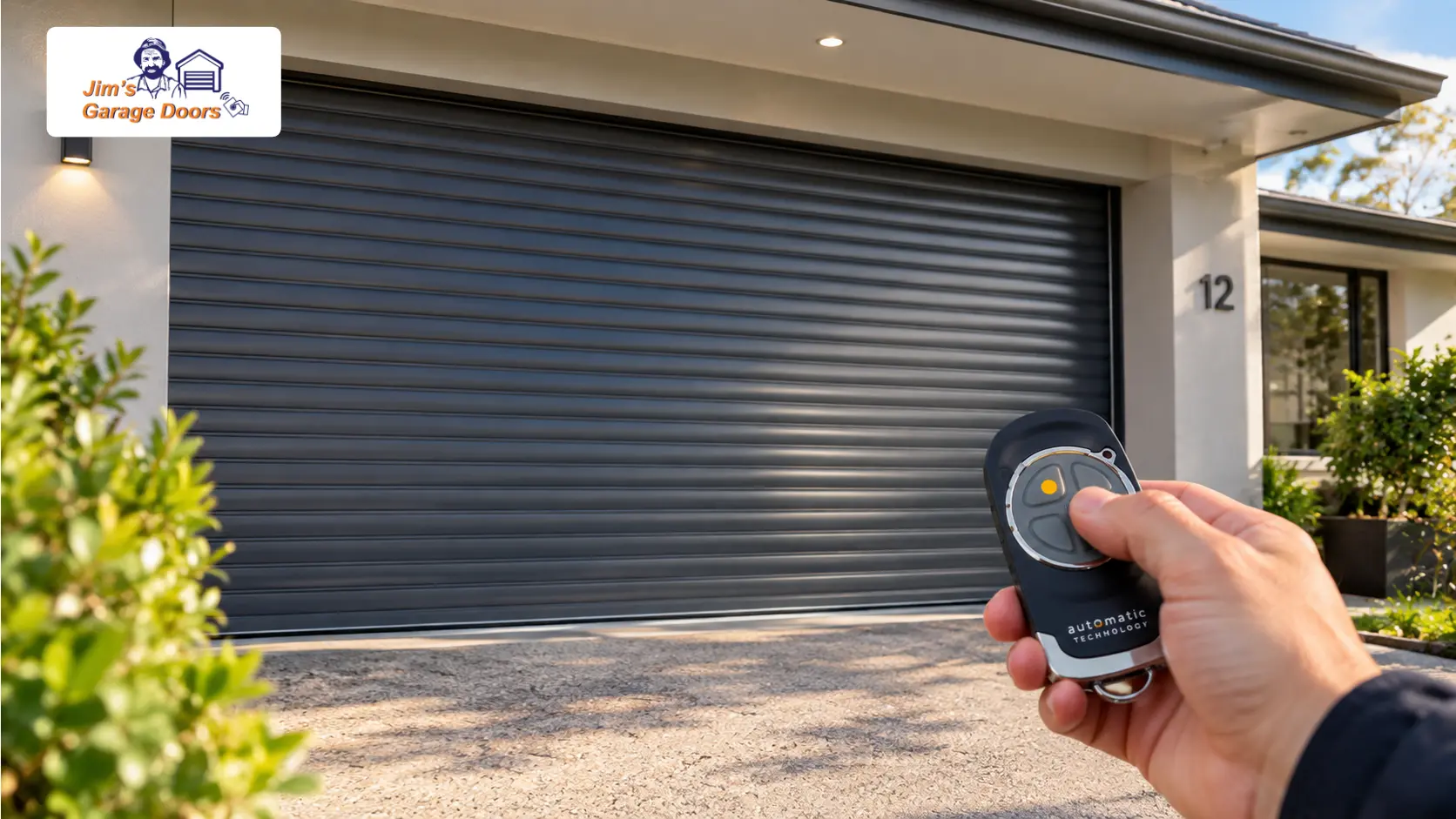
What Should You Check First When an Automatic Technology Garage Door Opener Stops Working?
Start by checking the power supply, controls, door opening, and the garage door’s visible condition. These checks can help narrow down the problem without dismantling the opener or adjusting springs, cables or other high-tension components.
Check:
- Power: Is the opener receiving normal power?
- Obstructions: Is anything blocking the garage door or its path?
- Controls: Does another remote or control operate the door?
- Operating modes: Could Vacation Mode or another lockout function be active?
- Safety beams: If fitted, is anything interrupting their path?
- Engagement: Has the opener been manually disengaged from the door?
- Door condition: Is the door crooked, unusually heavy or visibly damaged?
These checks usually provide more useful diagnostic information than repeatedly pressing the remote.
Why Won’t My Automatic Technology Garage Door Opener Open or Close?
An ATA opener that will not open or close can have a power, control, safety, engagement, opener or mechanical-door problem. Pay attention to what happens when you activate the opener rather than assuming the motor has failed.
- If nothing happens, check whether the opener has power and test another available control.
- If one remote does not work but another control does, the problem is more likely the remote, its battery, or its programming than the opener motor itself.
- If the opener responds but the garage door does not move, check whether the opener has been manually disengaged.
- If the door starts moving and then stops, look for an obstruction or abnormal resistance in the door’s movement.
- If the door opens but will not close, check the opening and any fitted safety beams before trying another cycle repeatedly.
The key is to identify whether the fault is in the control, opener, safety system, or garage door.
Why Does My ATA Garage Door Start Closing and Then Reverse?
An ATA garage door that starts closing and reverses may be reacting to an obstruction, an interrupted safety beam or abnormal resistance while the door is moving. Reversing does not automatically mean the opener motor is faulty.
Start by checking that nothing is physically blocking the door.
Where photoelectric safety beams are fitted, make sure nothing is interrupting the beam path and check for obvious dirt, movement or damage around the sensors.
If the opening is clear but the door repeatedly reverses at a similar position, watch how the garage door moves. Binding, uneven movement or increased resistance can cause symptoms that appear to originate from the opener.
Do not increase opener force or bypass a safety device simply to make the door close. The reversal may be indicating a problem that needs to be identified first.
Why Is My Automatic Technology Garage Door Opener Beeping or Flashing?
Beeping or flashing can indicate an operating condition, service reminder, or fault, and the meaning can vary by Automatic Technology opener model. Identify the exact opener model before interpreting a particular beep or light sequence.
Automatic Technology has produced different roller-door and sectional-door openers, including EasyRoller, Enduro, Dynamo and Ero models. Features and diagnostic indications are not necessarily identical across them.
A beep or flashing indicator doesn’t automatically mean the motor has failed. Some ATA openers use audio or visual indications for service reminders and operating functions.
Before attempting a reset, locate the model information on the opener housing or identification label and follow the instructions for that model.
Avoid applying a beep count, flashing sequence, or reset procedure from one ATA model to another unless the manufacturer documentation confirms that it applies.
For a more focused explanation of audible and visual warning signals, see our Automatic Technology garage door opener beeping or flashing guide.
Why Does the ATA Motor Run but the Garage Door Doesn’t Move?
If you can hear the ATA motor operating but the garage door doesn’t move, first check whether the opener is still engaged with the door. Manual disengagement separates the opener drive from the door, so you can operate the garage door manually.
If the opener was previously disengaged, for example, during a power outage, it may need to be correctly re-engaged before normal automatic operation resumes.
If the opener is engaged but the door still does not move correctly, the problem may involve the opener drive or the garage door itself.
Pay particular attention to the condition of the door. If it is heavy, jammed, crooked or difficult to move, stop operating the opener. A spring, cable, track, roller or other mechanical problem may be preventing normal movement.
Why Does My Automatic Technology Garage Door Stop Halfway?
A garage door that repeatedly stops partway may be encountering an obstruction or resistance, or it may have an opener-related travel or operating issue. Whether it stops consistently or intermittently can help narrow down the cause.
If the door stops at roughly the same position each time, look for visible interference or a change in how the door moves around that point.
If it stops at different positions, you may need a broader diagnosis of the opener, controls, and mechanical door.
Also watch for the opener becoming noticeably strained or the garage door moving unevenly before it stops.
Repeatedly cycling the opener against resistance is not a useful test. If the cause is not visible, stop operating the system and have it inspected.
Could the Garage Door Be Causing the Opener Problem?
Yes. A mechanical garage door problem can make an ATA opener appear faulty because the opener is being asked to move a door with abnormal resistance or imbalance.
Possible causes include:
- a damaged or broken spring
- a loose or damaged lifting cable
- track or guide problems
- damaged rollers
- binding during travel
- an unusually heavy door
- crooked or uneven movement
This distinction matters, especially before replacing an opener. A new motor will not correct a garage door that is mechanically heavy, crooked or damaged.
Springs and cables can be under significant tension. Do not attempt to adjust them as part of opener troubleshooting.
How Can You Tell Whether the Problem Is the ATA Opener or the Garage Door?
Match the symptom to the part of the system responsible for that function. A single failed remote points in a different diagnostic direction from a garage door that has become crooked or unusually heavy.
| Symptom | Check First | Appropriate Next Step |
|---|---|---|
| One remote fails, but another control works | Remote/control | Check battery and remote operation |
| Opener shows no signs of power | Power supply/opener | Check normal power supply |
| Door closes and reverses | Obstruction/safety system/resistance | Clear opening and inspect visible causes |
| Motor operates, but door does not move | Engagement/drive | Check whether opener is disengaged |
| Door stops repeatedly at the same point | Resistance/travel/opener | Check for visible interference |
| Door is visibly crooked | Mechanical garage door | Stop operating it |
| Door has become unusually heavy | Spring/balance system | Arrange professional inspection |
| Opener is beeping or flashing | Model-specific indication | Identify model before interpreting signal |
This is a starting point, not a definitive diagnosis. Different faults can sometimes create similar symptoms.
Which ATA Garage Door Opener Problems Can You Safely Check Yourself?
Basic power, obstruction, control, and visual checks are reasonable for homeowners, but leave internal opener repairs and high-tension garage door components to a trained technician.
You can generally check the normal power supply, remove visible obstructions, inspect the path of fitted safety beams, test another control, identify the opener model and check whether the opener has been manually disengaged.
Stop troubleshooting if:
- the garage door is crooked or off its normal track or guide position
- a spring appears broken or damaged
- a cable is loose or damaged
- the door has become unusually heavy
- the opener makes severe abnormal noises
- there is smoke, a burning smell or obvious electrical damage
- the door repeatedly stops or reverses after basic checks
- diagnosis requires dismantling the opener
The objective is to identify the symptom safely, not force the door to operate.
What If Only the Automatic Technology Remote Is Not Working?
If the garage door operates normally from another control but one ATA remote does not work, troubleshoot the remote before assuming the opener has failed.
Start with the remote battery and confirm whether another control still operates the door normally.
Programming and compatibility vary between ATA remotes and opener systems, so use the procedure for your specific handset and opener.
For detailed remote diagnosis, battery checks, programming and replacement information, see our Automatic Technology garage door remote programming and replacement guide.
When Should an Automatic Technology Garage Door Opener Be Professionally Inspected?
Arrange professional inspection when basic checks do not identify the problem, the fault repeatedly returns, internal opener diagnosis is required or the garage door shows signs of a mechanical problem.
Professional diagnosis is particularly appropriate when:
- the door repeatedly stops or reverses
- the opener makes severe or unfamiliar noises
- the motor operates without moving the door correctly
- beeping or flashing cannot be identified for the model
- the door has become heavy or unbalanced
- springs, cables, tracks or guides appear damaged
- There is evidence of an internal opener or electrical fault
This prevents repair or replacement when the underlying problem is elsewhere in the garage door system.
Should You Repair or Replace a Faulty Automatic Technology Opener?
Repair may make sense when the fault is identifiable and the opener remains serviceable, while replacement may be warranted when faults are significant or recurring, support is limited, or the existing opener no longer meets the owner’s requirements.
Age alone should not determine the decision. Consider the specific fault, opener condition, garage door condition, repair requirements, support or parts availability, and desired features.
For a full decision framework covering repairability, opener condition, support availability and replacement factors, see our Automatic Technology garage door opener repair or replace guide.
FAQs
Why is my Automatic Technology garage door opener not responding?
Check whether the opener has power and whether another available control operates it. If one remote fails but another control works, investigate the remote. If the entire opener remains unresponsive, the power supply or opener may require further diagnosis.
Why does my ATA garage door opener beep?
Beeping can indicate an operating condition, service reminder, or fault, depending on the ATA opener model. Identify the exact model before interpreting a specific beep sequence or following a reset procedure.
Why does my ATA garage door open but not close?
A door that opens but will not close may be responding to an obstruction, a fitted safety system, abnormal door resistance or an opener-related problem. Clear the opening and inspect any fitted safety beams before arranging further diagnosis.
Why does my ATA motor run but the garage door not move?
The opener may be manually disengaged, or the door may have a drive or mechanical issue. Check engagement first, and stop operating the system if the door is heavy, jammed or crooked.
Should I reset my Automatic Technology garage door opener?
Use only a reset procedure intended for the specific ATA opener model and the problem you’re investigating. A reset will not repair a damaged spring, cable, track or other mechanical garage door fault.
Need Help With an Automatic Technology Garage Door Opener?
If basic power, obstruction, control, and safety checks don’t resolve the problem, or the garage door is heavy, crooked, noisy, or mechanically damaged, we should inspect the opener and door together.
Jim’s Garage Doors can diagnose Automatic Technology opener problems and determine whether the fault is in the controls, opener, safety system or mechanical garage door.
Where appropriate, the technician can then determine whether the system requires an opener repair, garage door repair or consideration of opener replacement.
Call Jim’s Garage Doors on 131 546 or request a quote online to arrange an inspection.